Now that we have explored the history and origins of chinaware, let's dive into the various materials available and their unique characteristics.
Bone China: The Gold Standard
As we mentioned earlier, bone china is made by combining kaolin with bone ash, giving it a distinctive ivory hue and unmatched durability. This material is lightweight yet incredibly strong, making it resistant to chipping and breakage. Bone china is also prized for its luminous appearance and delicate translucence, which is achieved by firing the pieces at high temperatures.
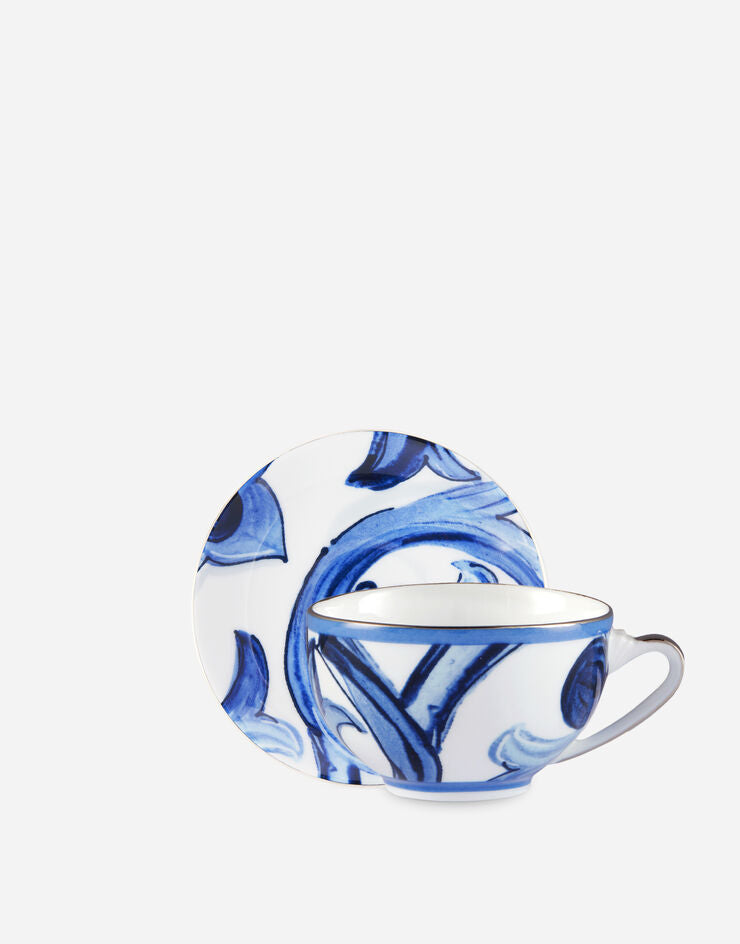
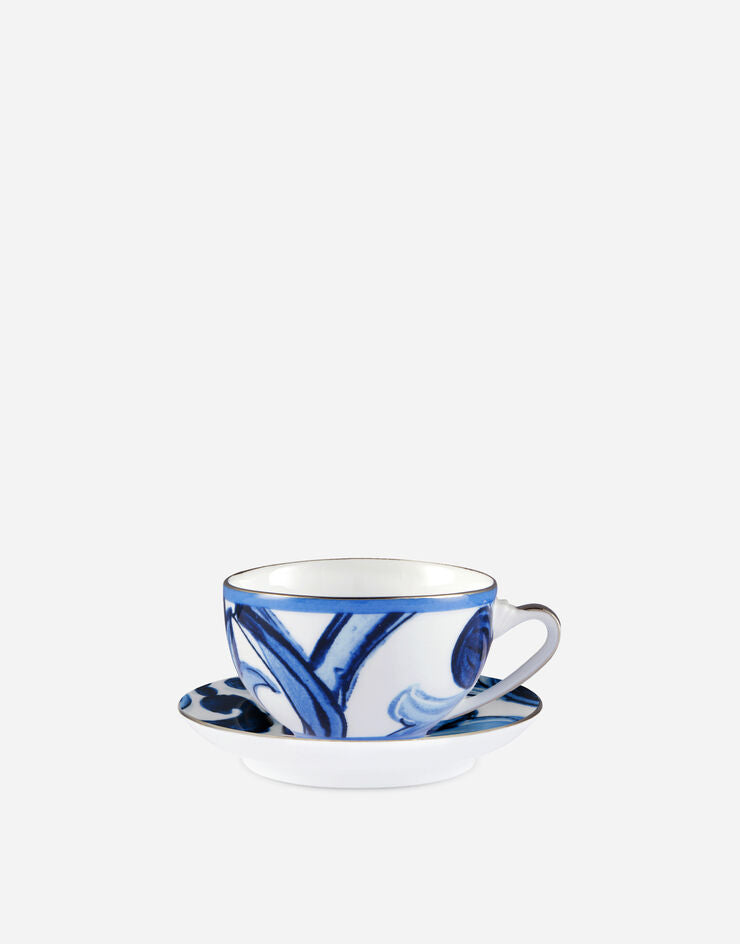
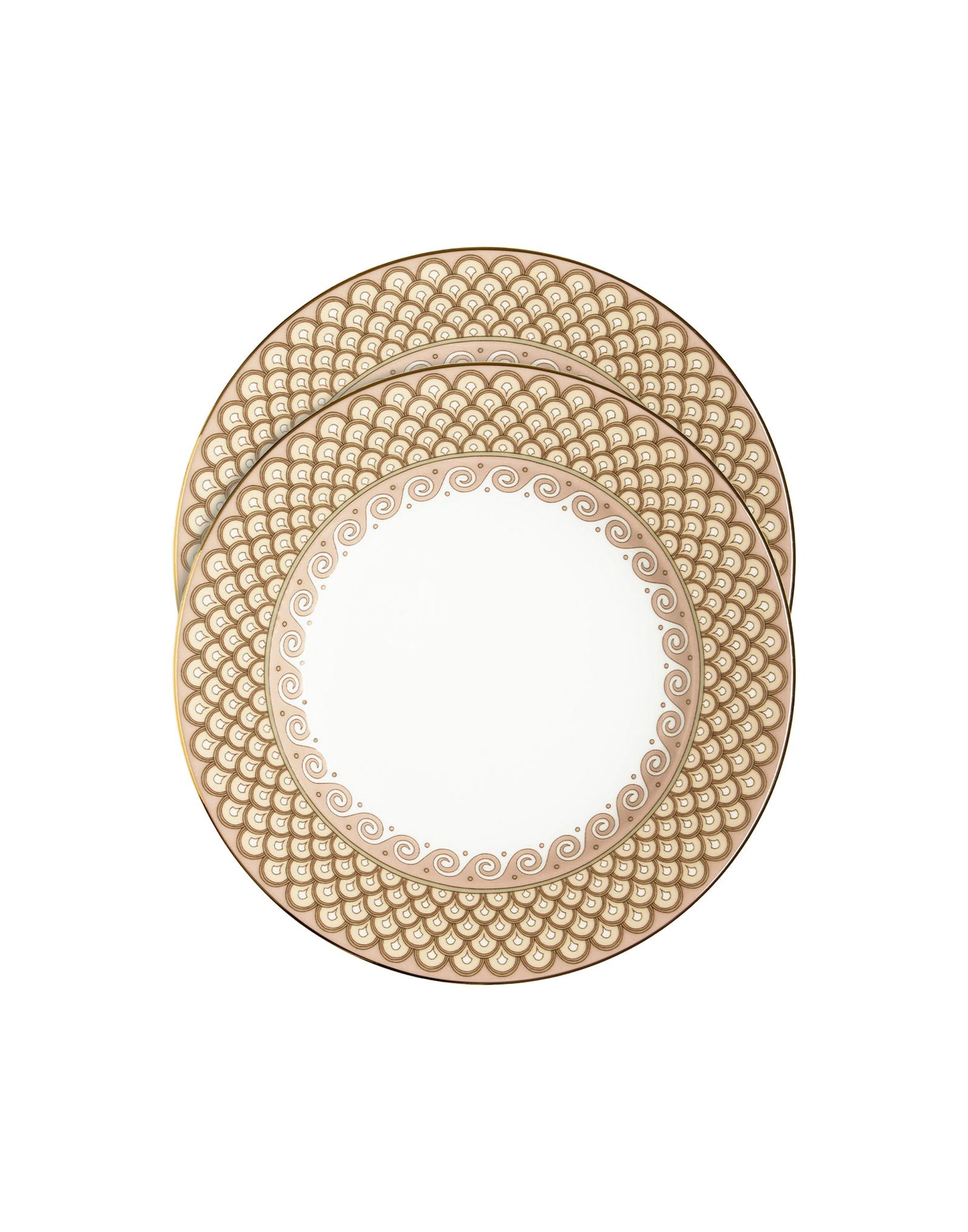
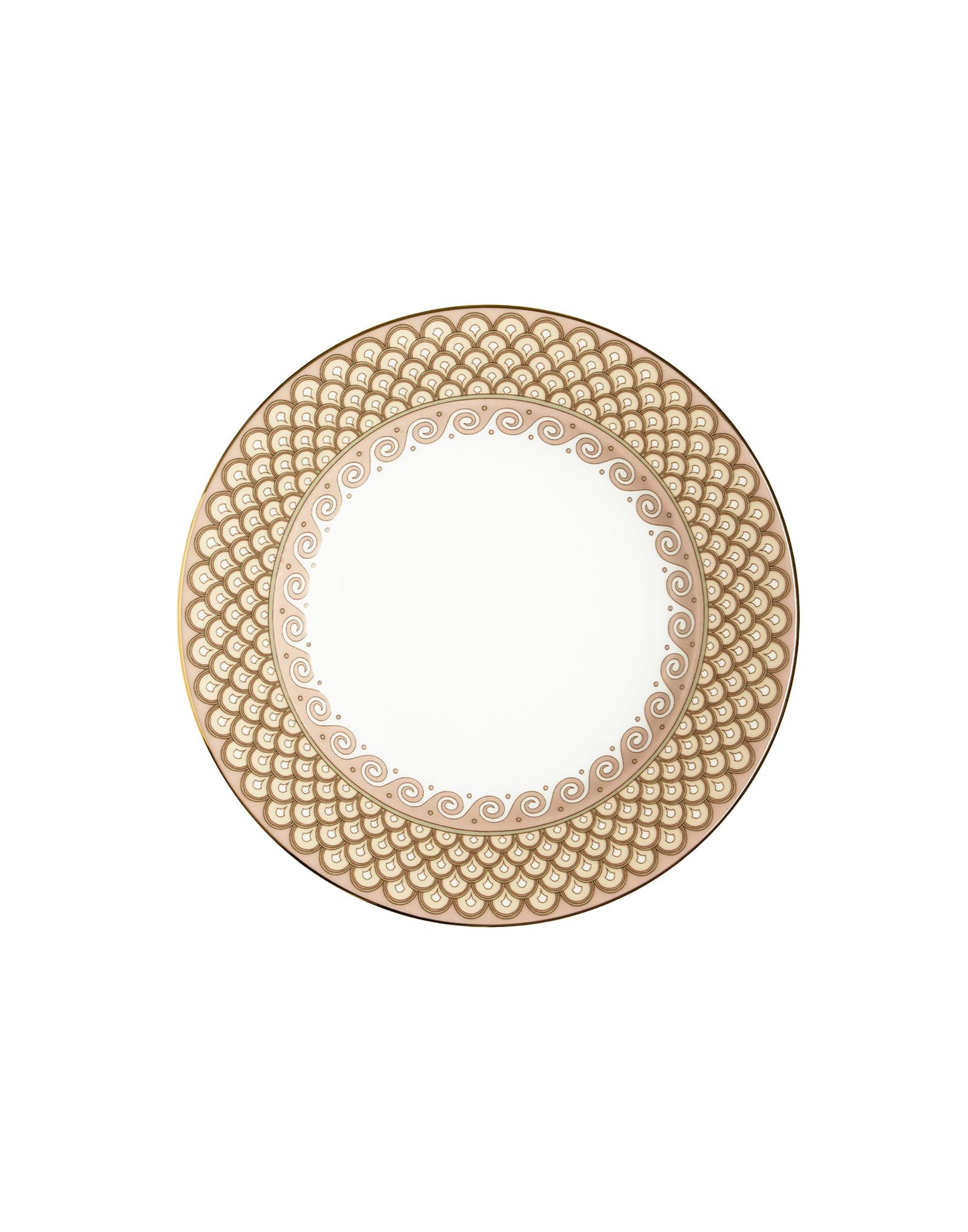
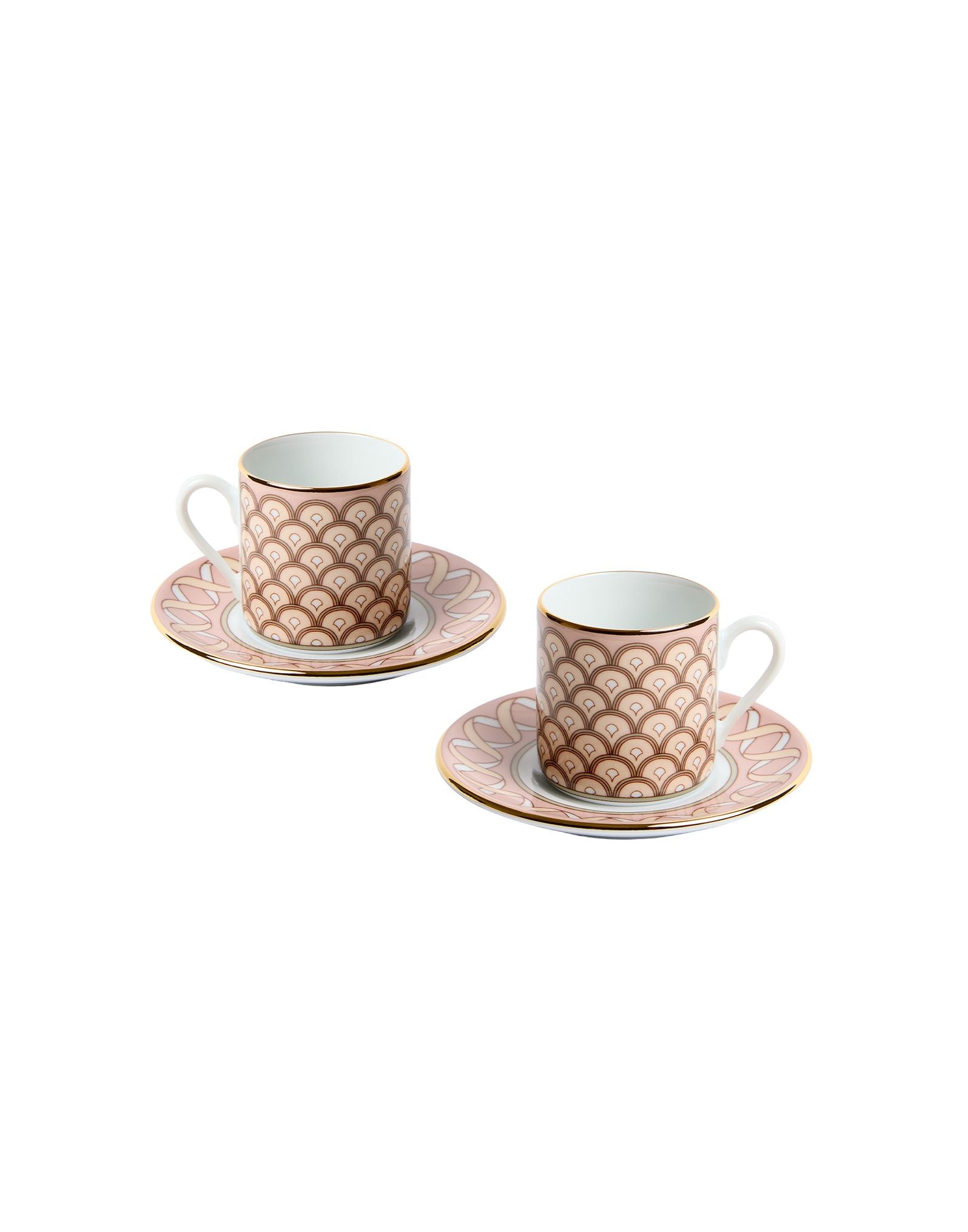
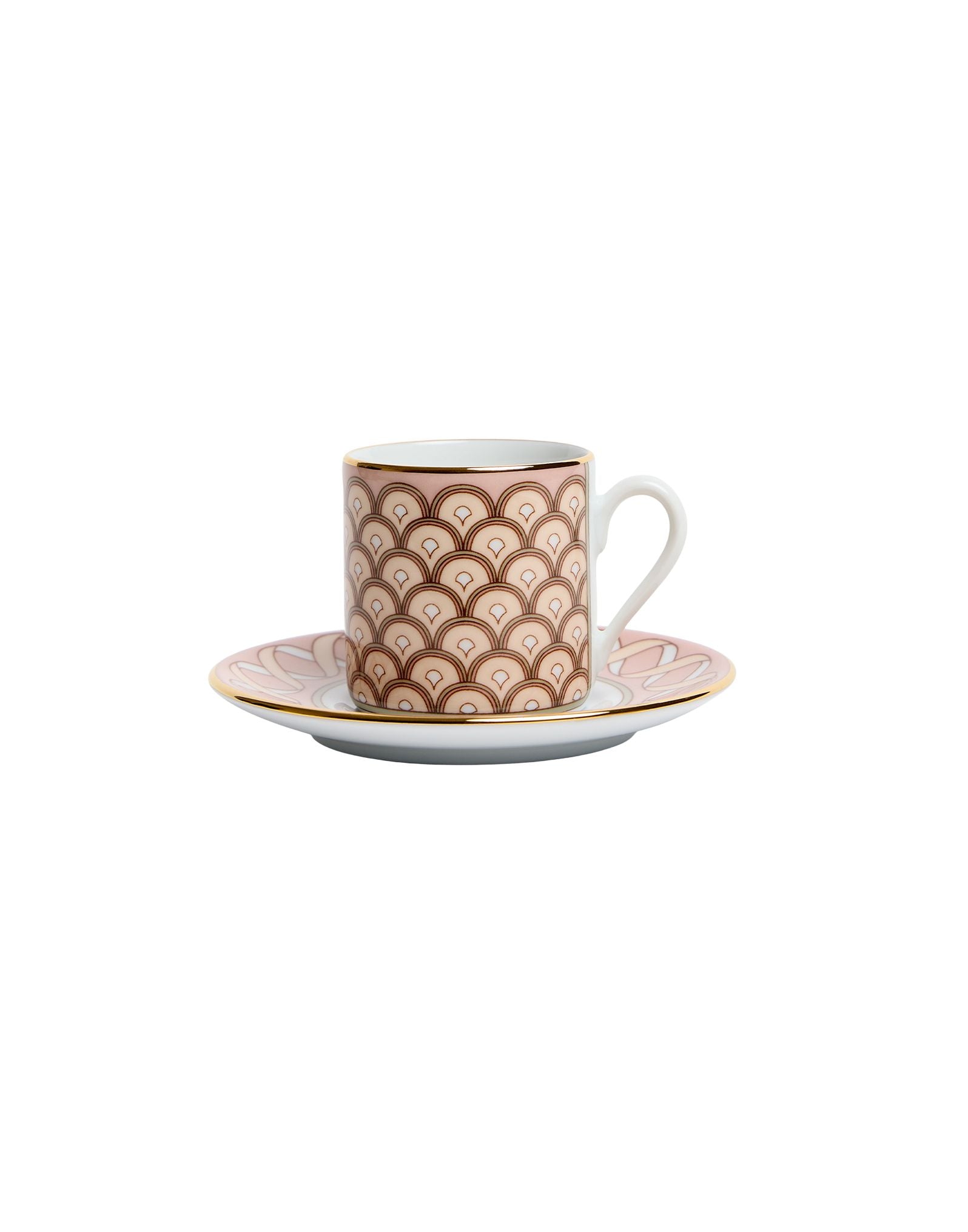
Bone china dinnerware sets often include a variety of matching pieces, such as dinner plates, salad plates, bowls, and teacups. These sets may come in both contemporary and traditional designs, with intricate patterns and gold or platinum accents. Pinto Paris offers an array of bone china dinnerware that can elevate your dining experience.
Porcelain: Timeless Elegance
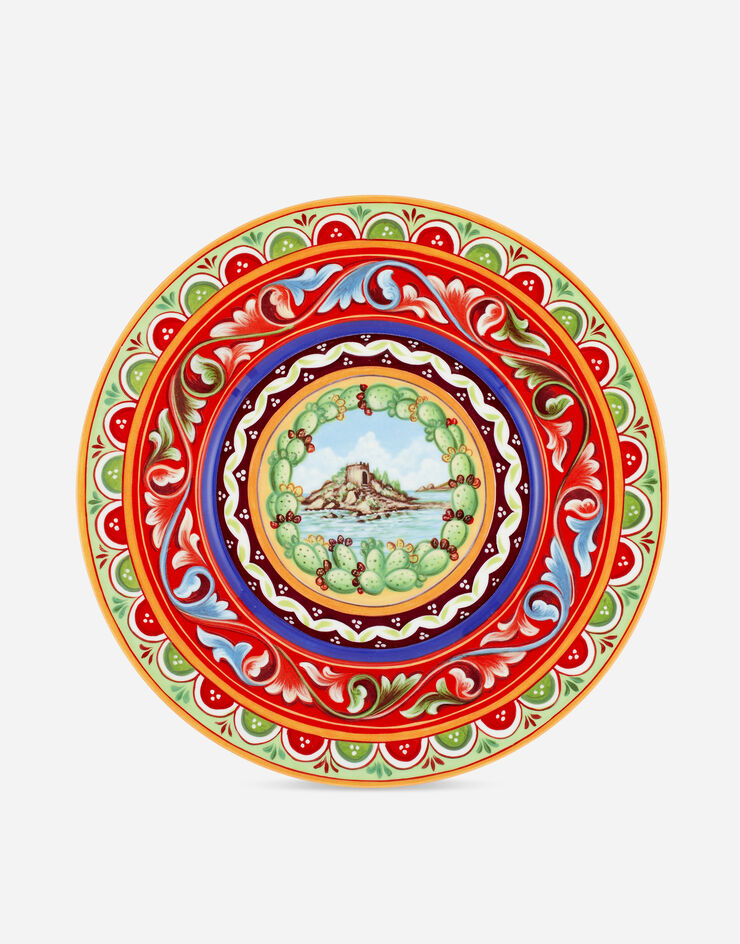
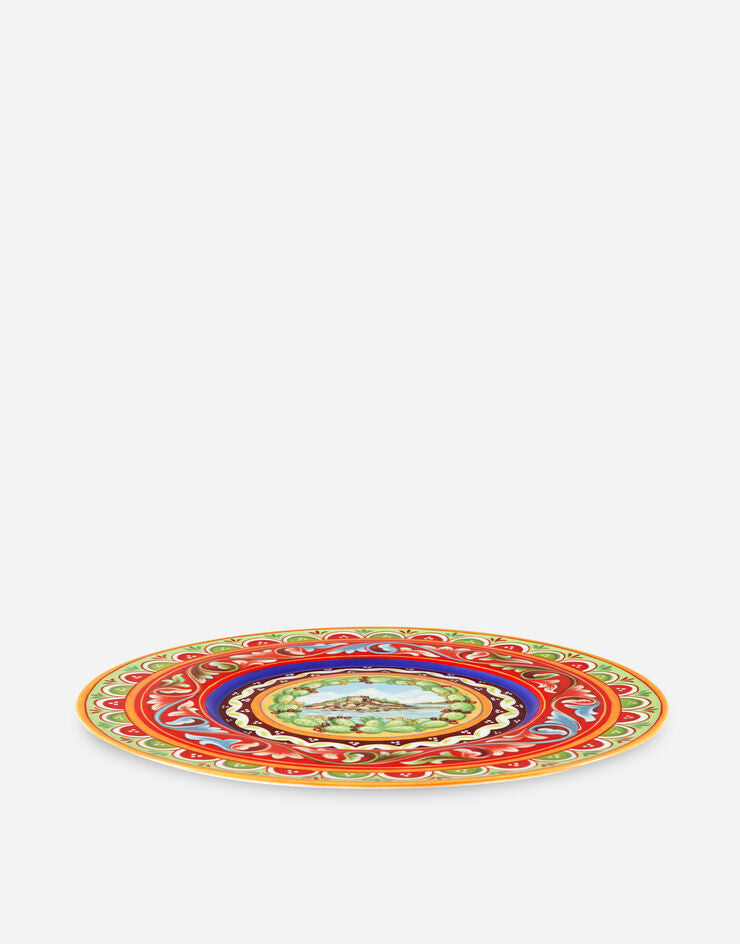
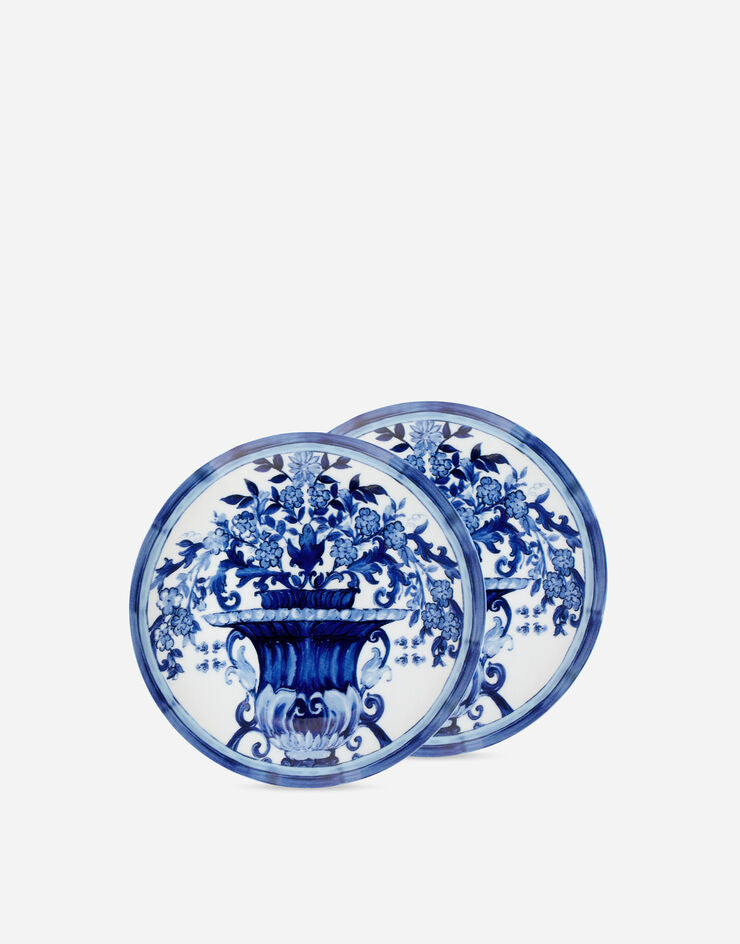
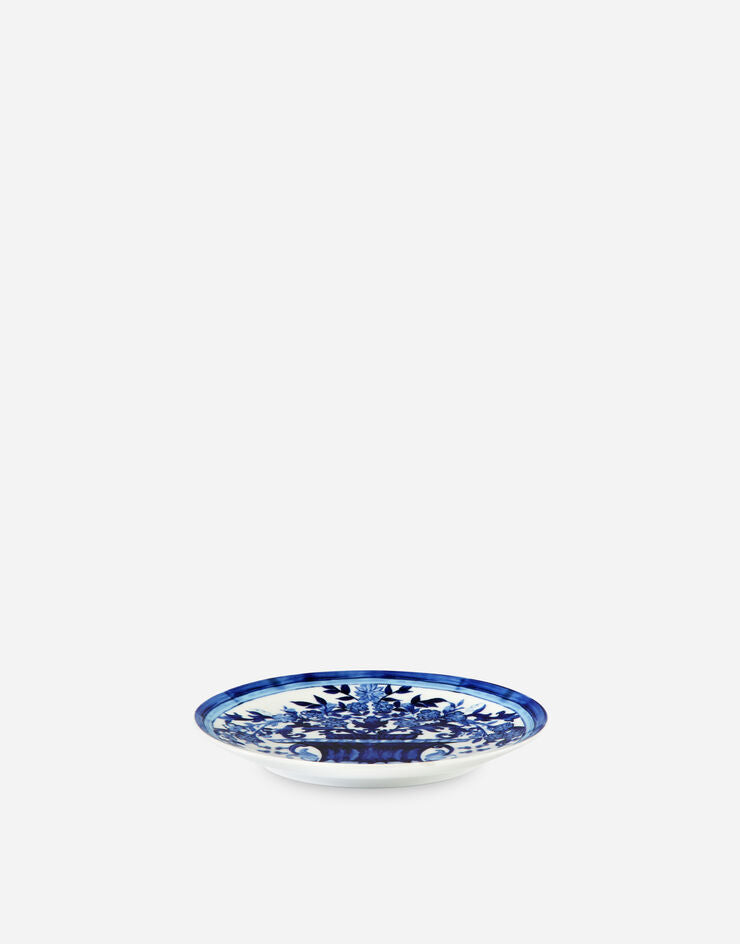
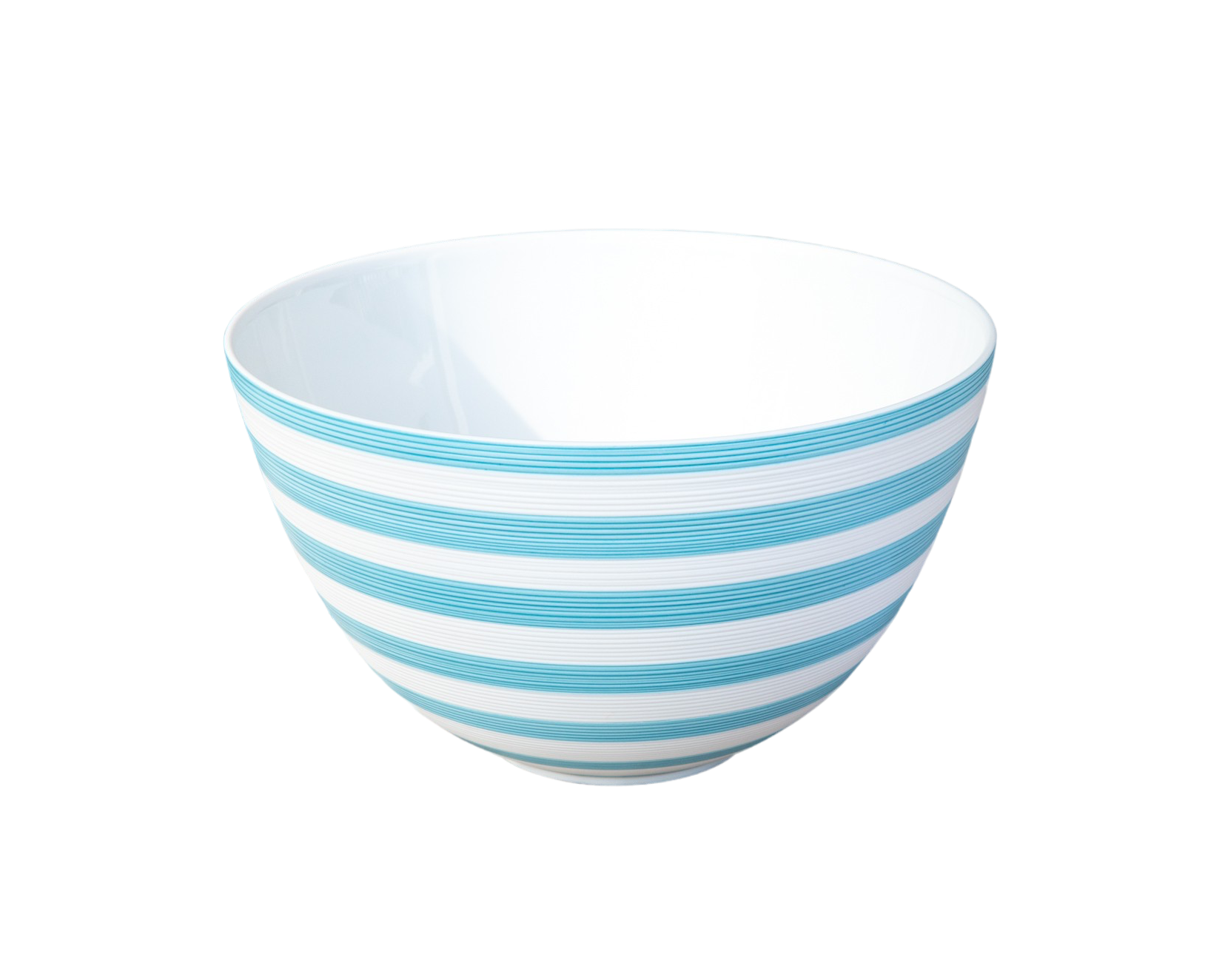
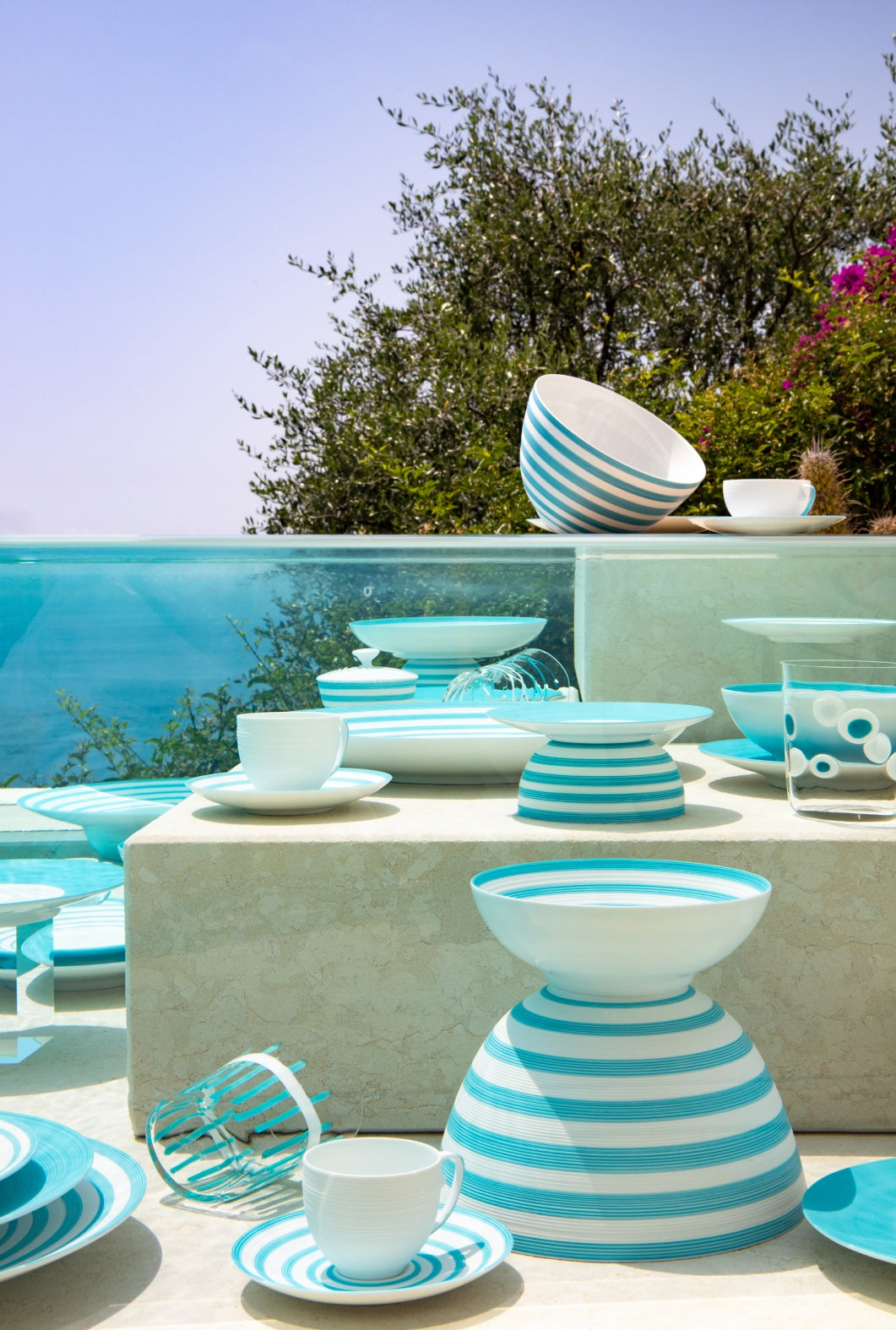
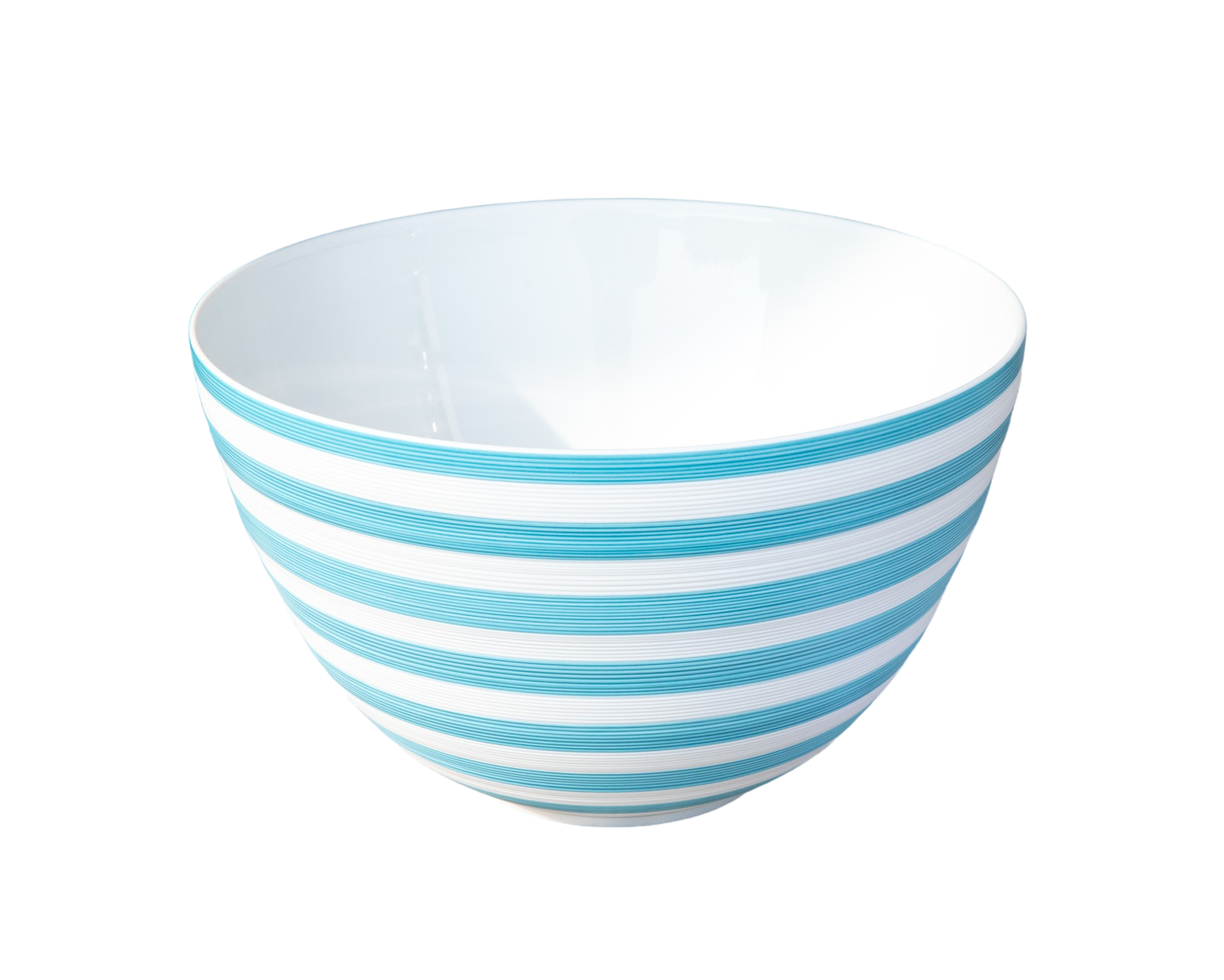
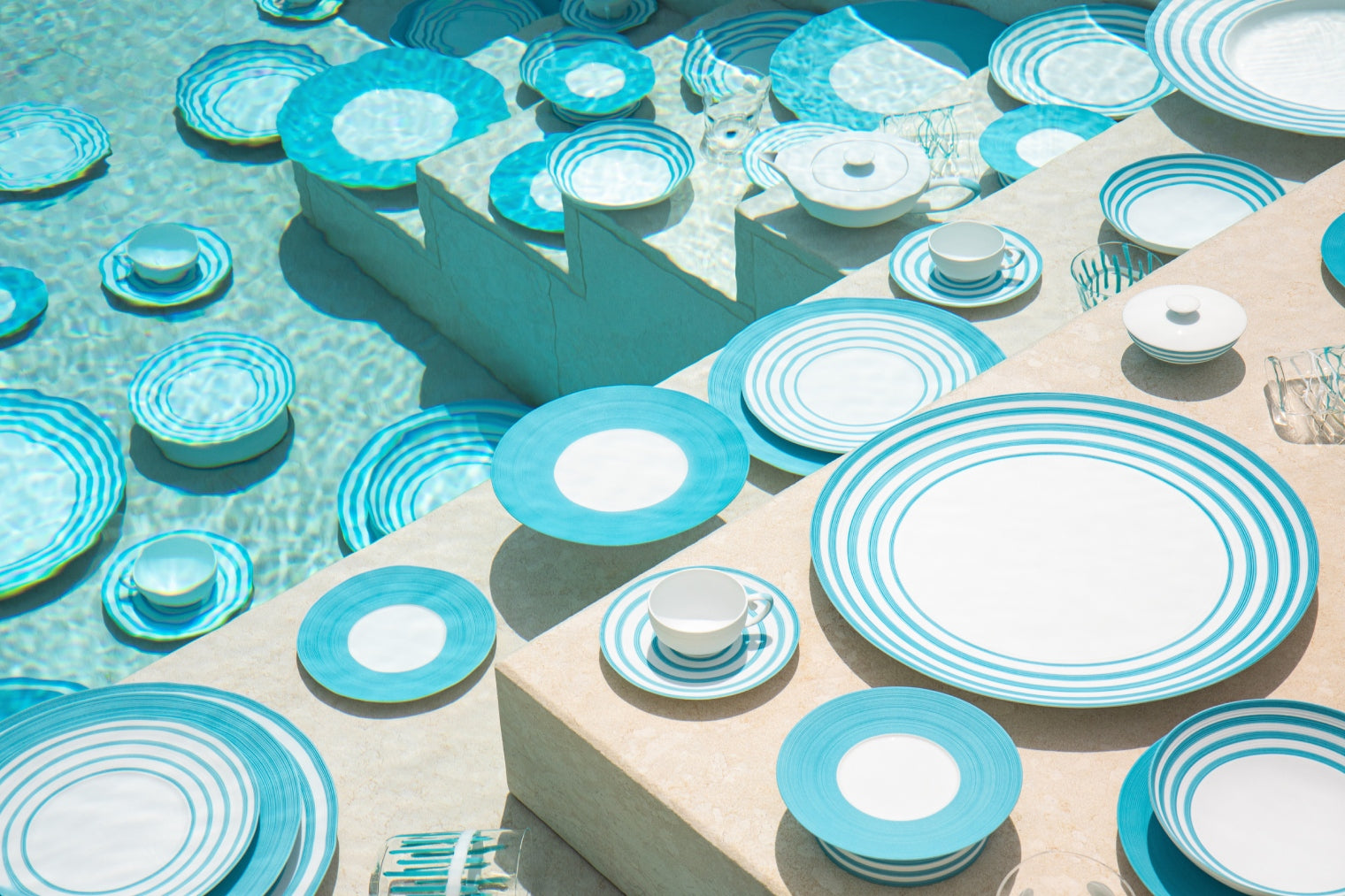
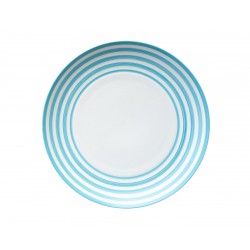
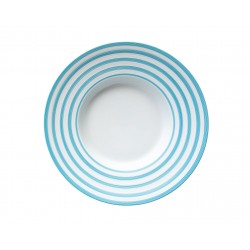
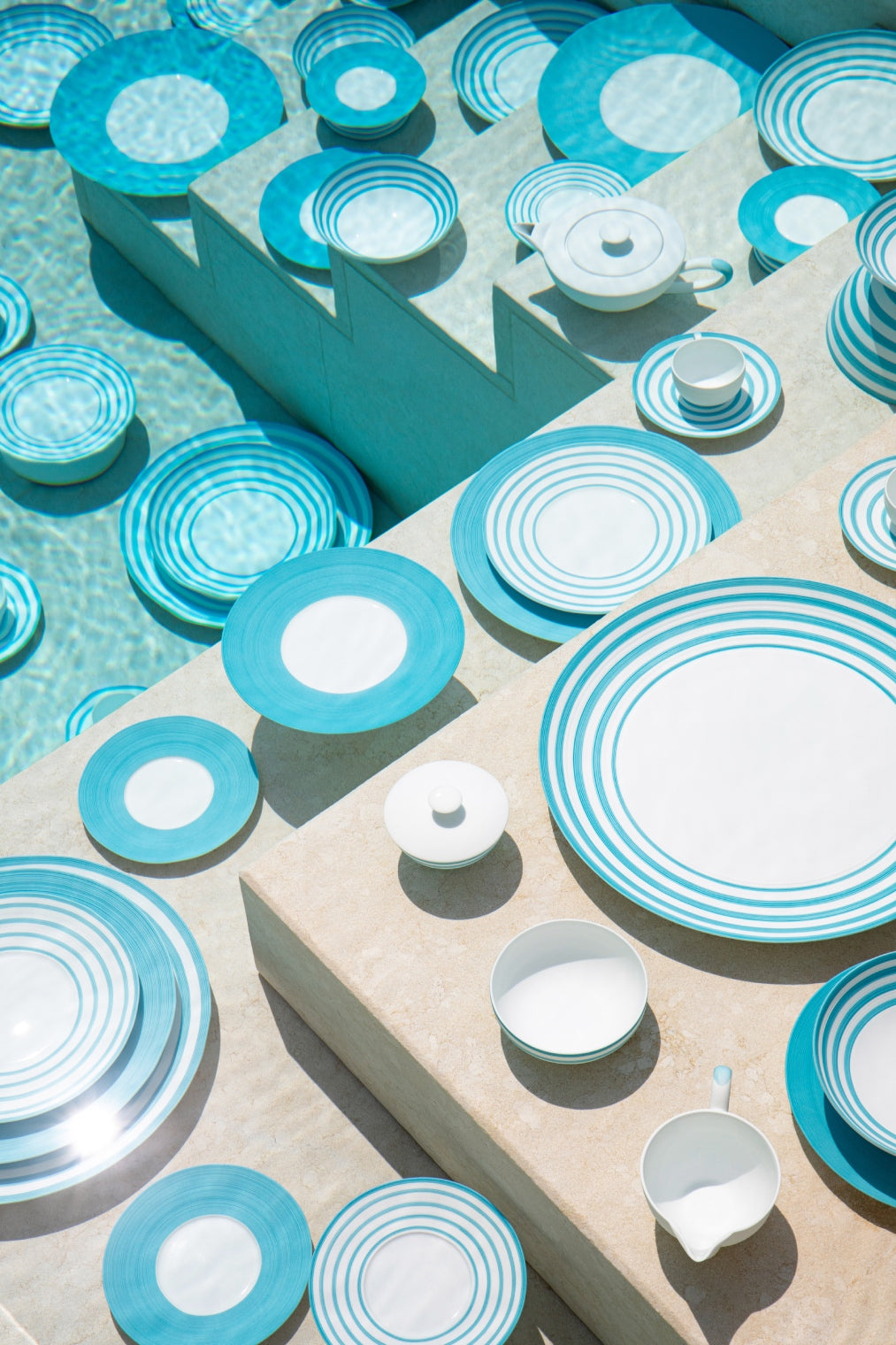
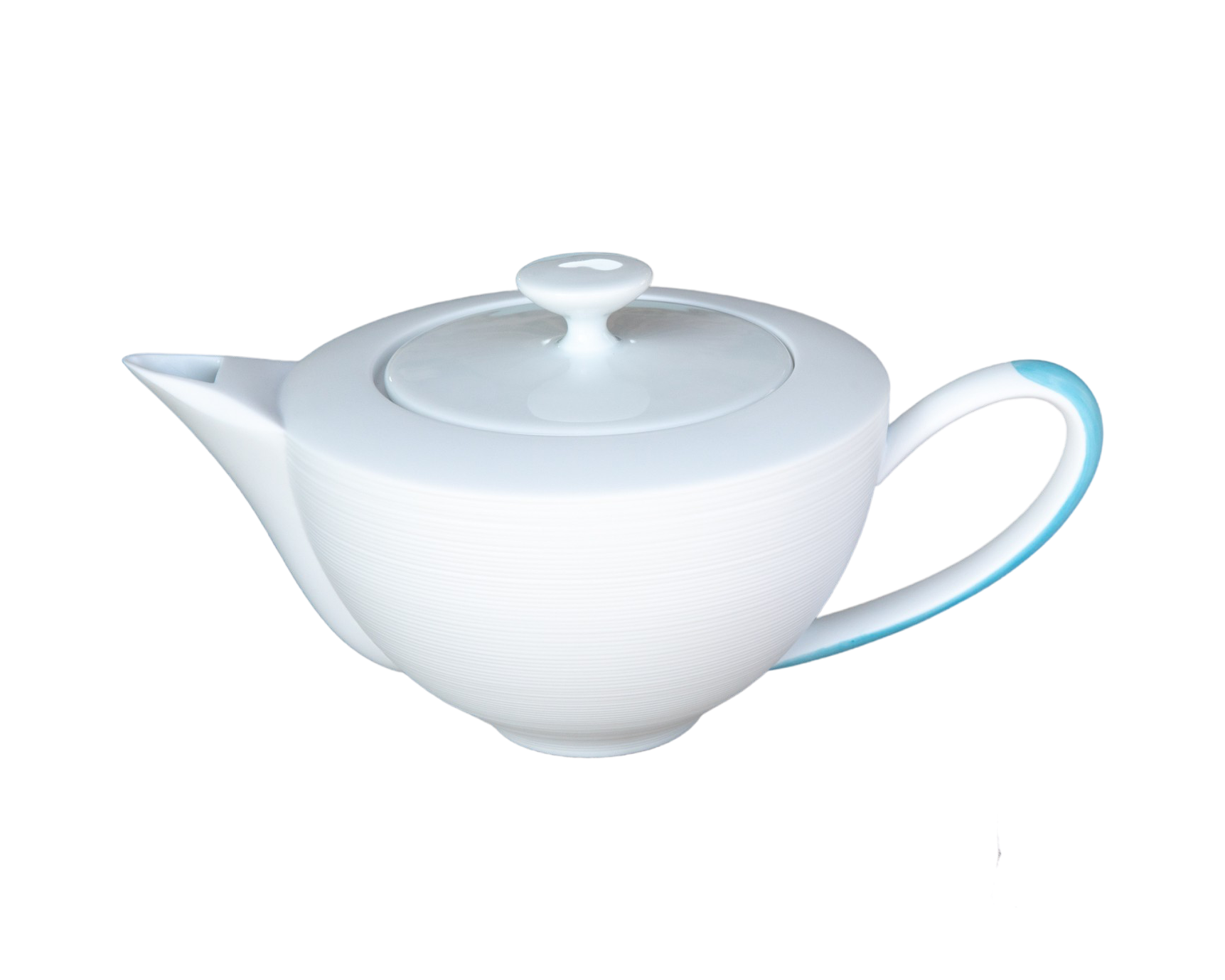
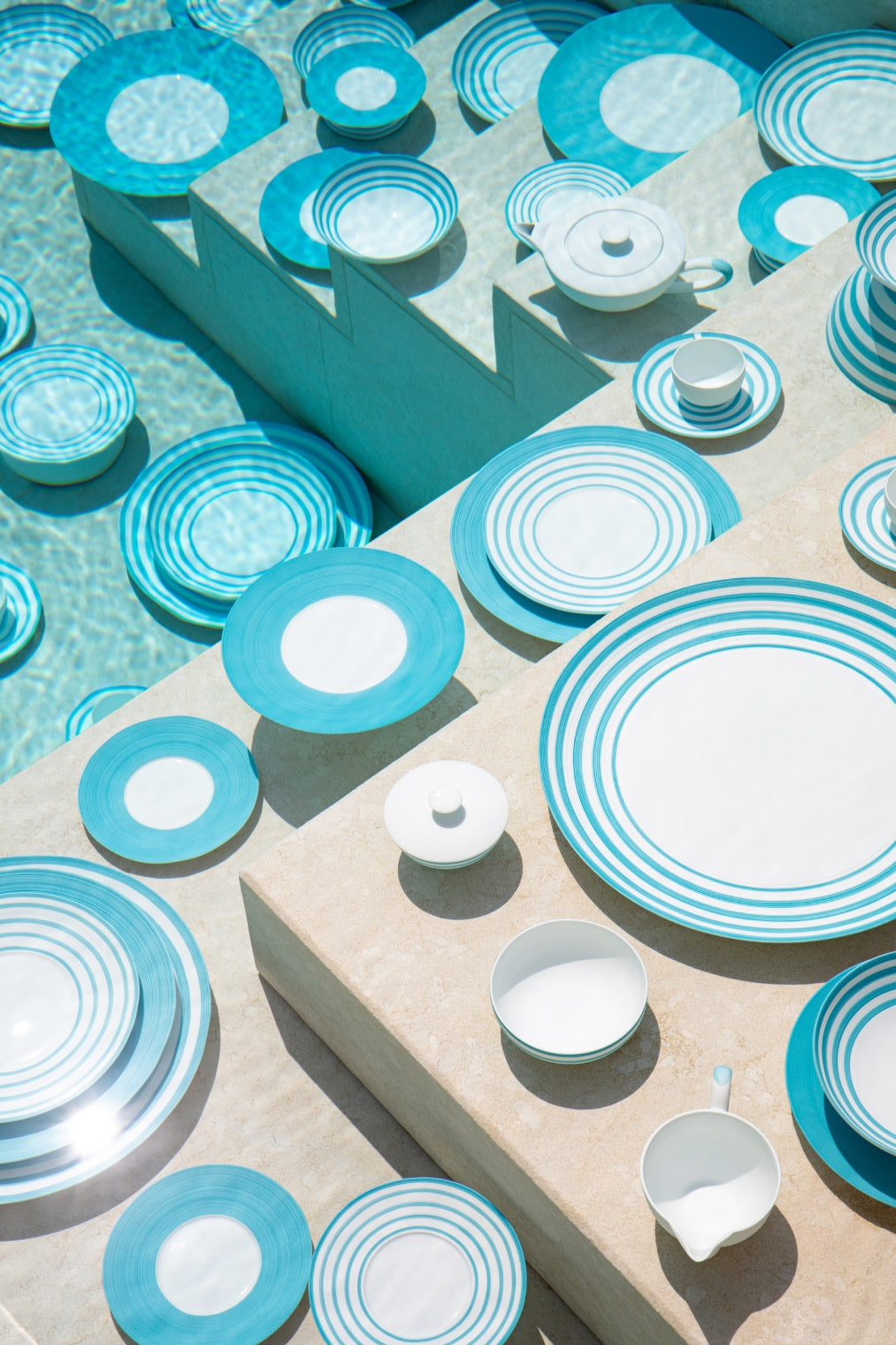
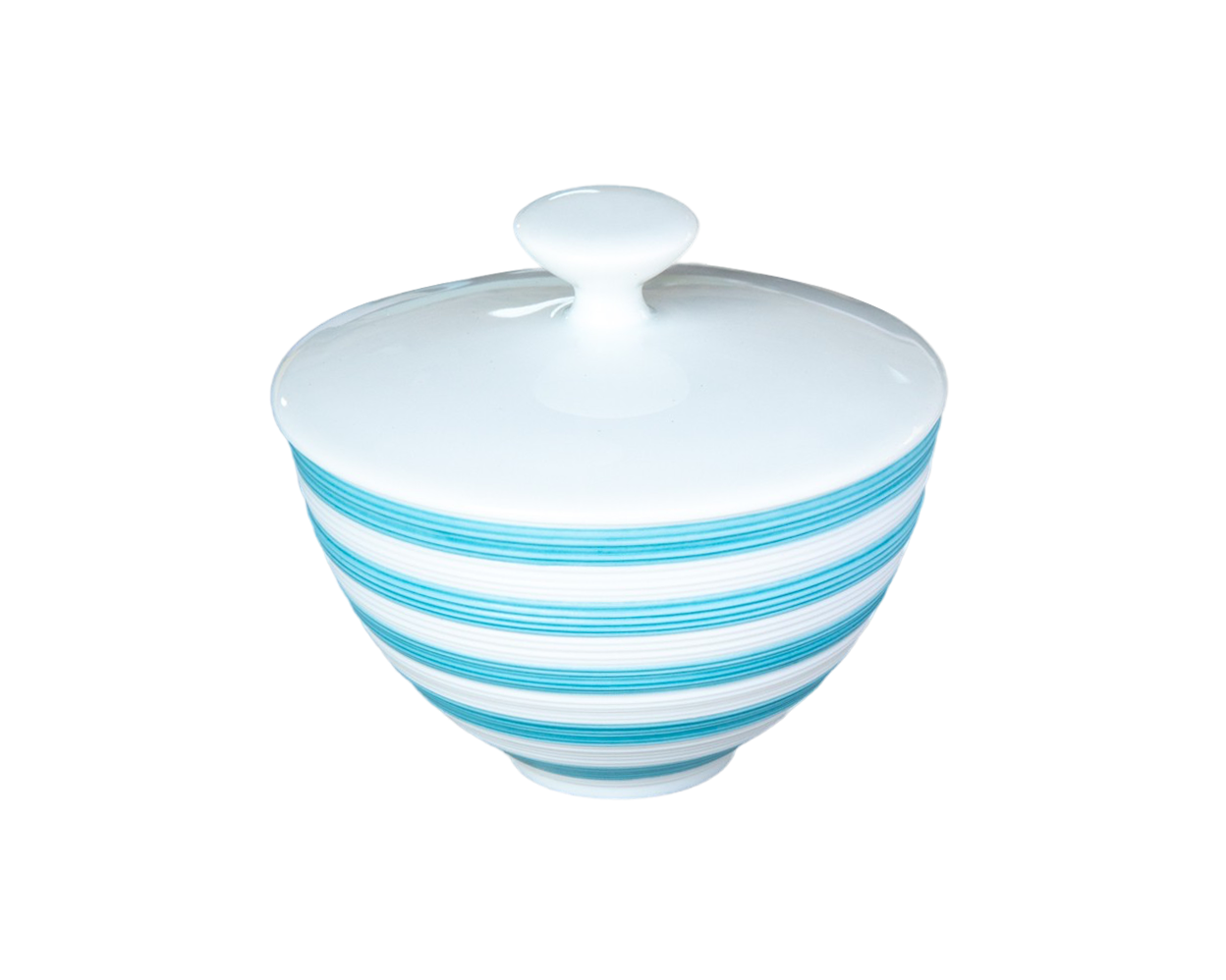
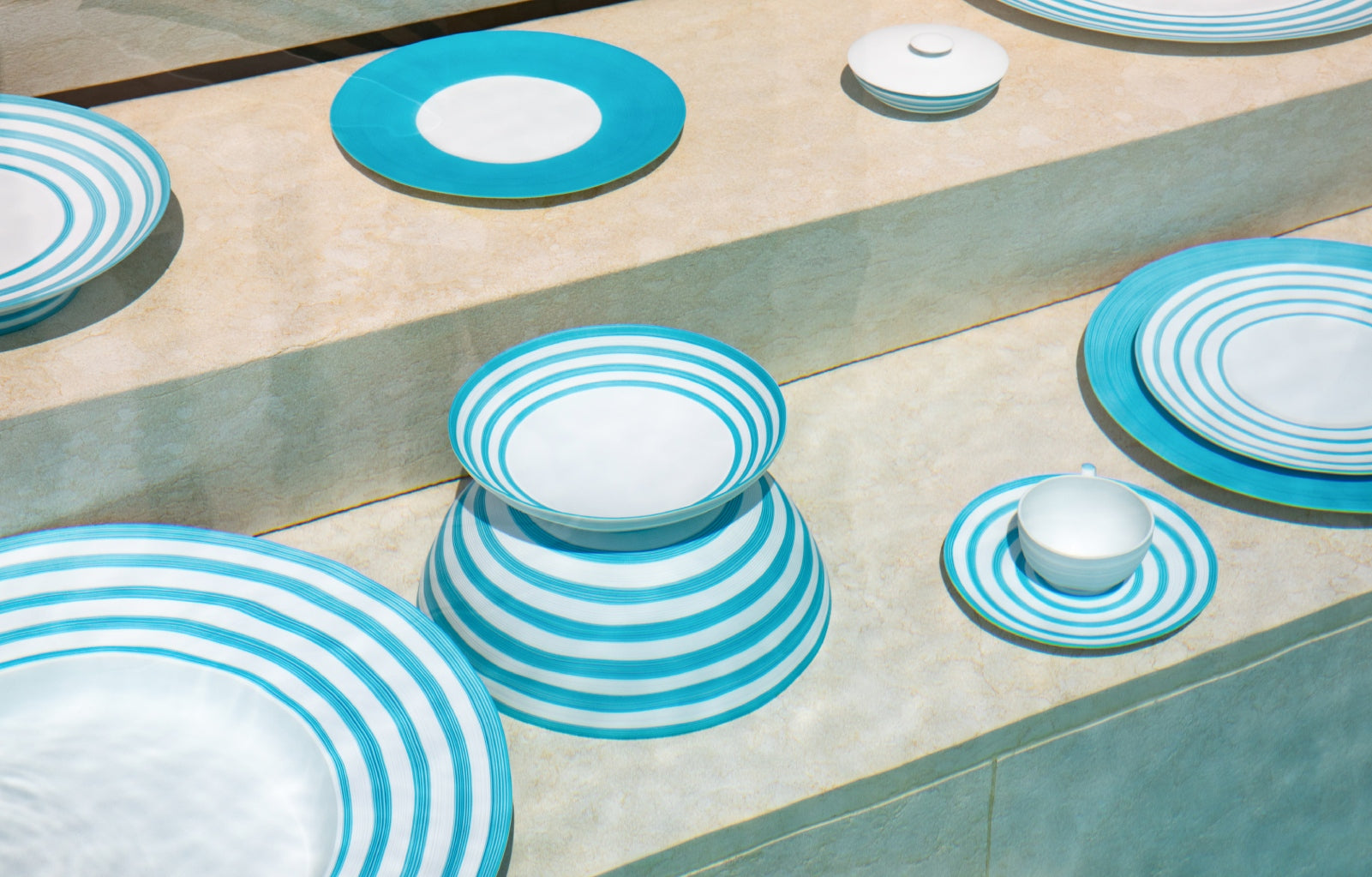
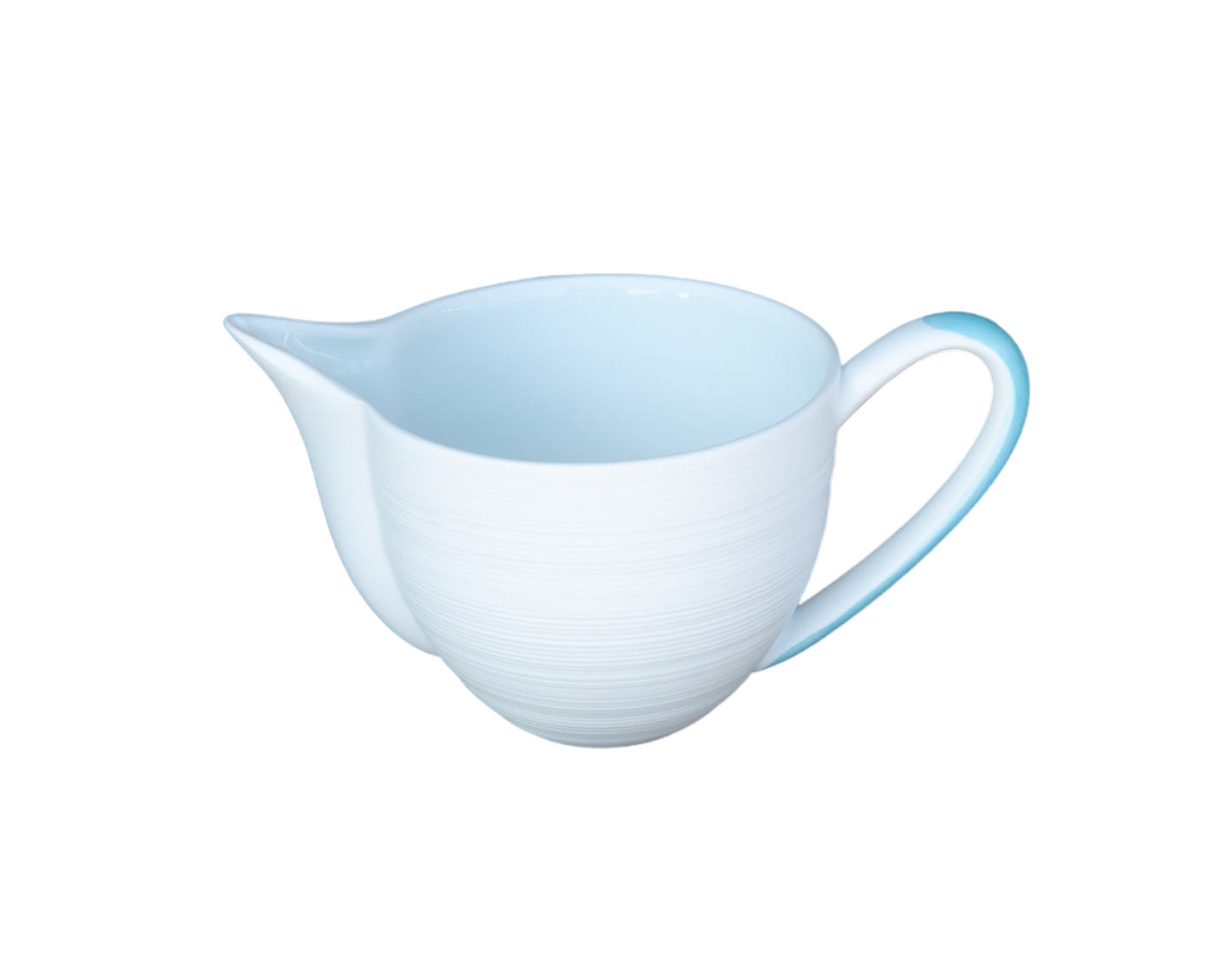
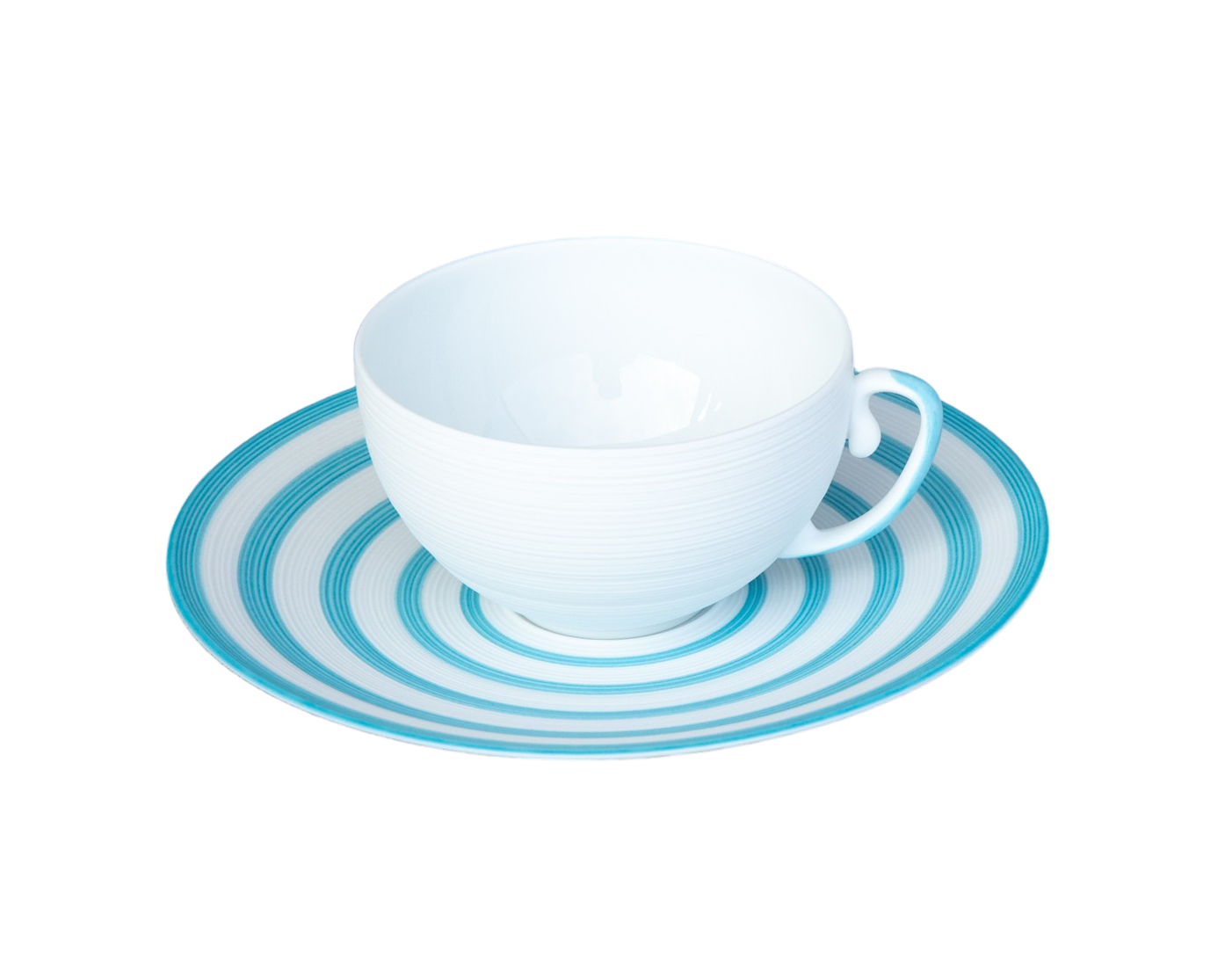
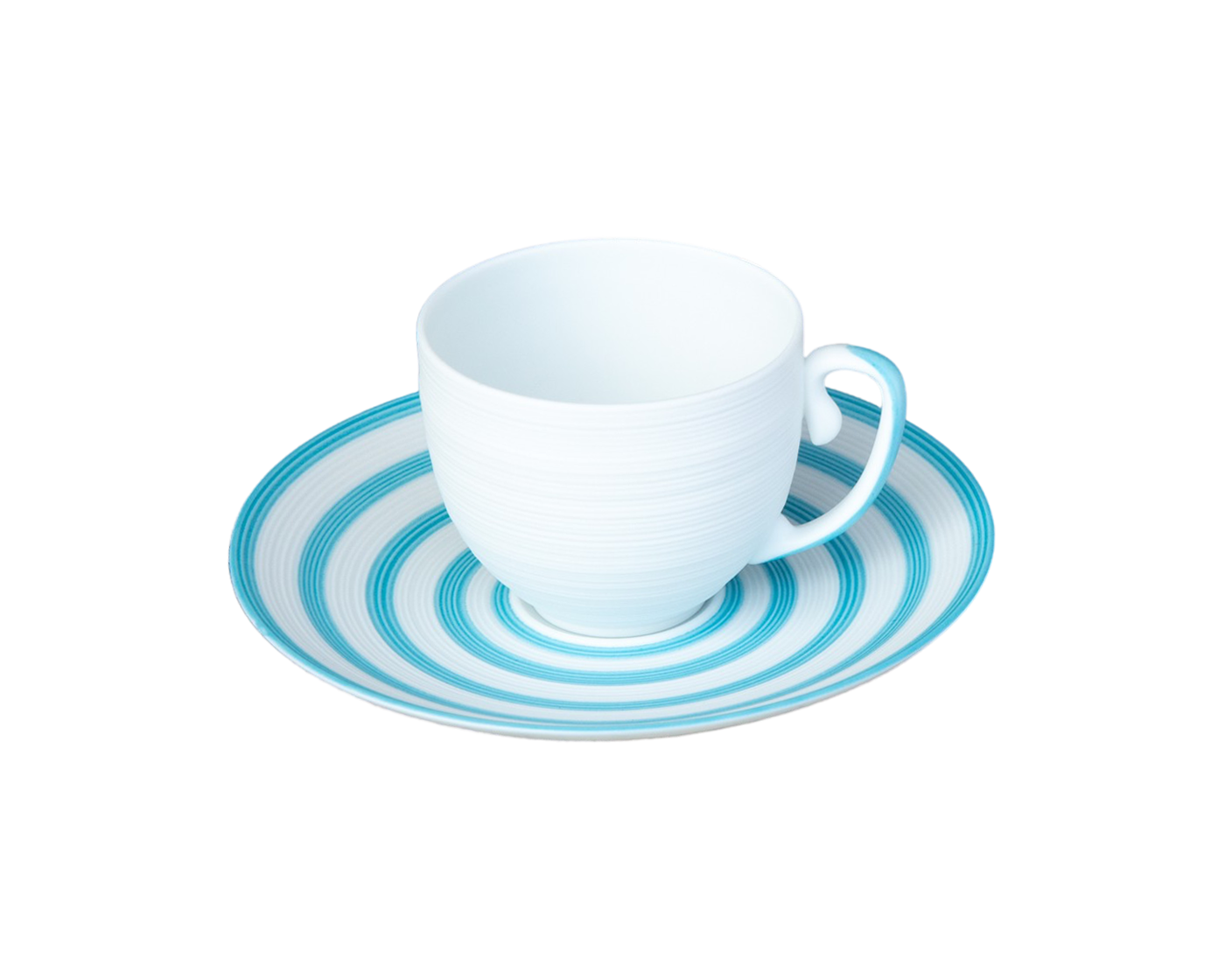
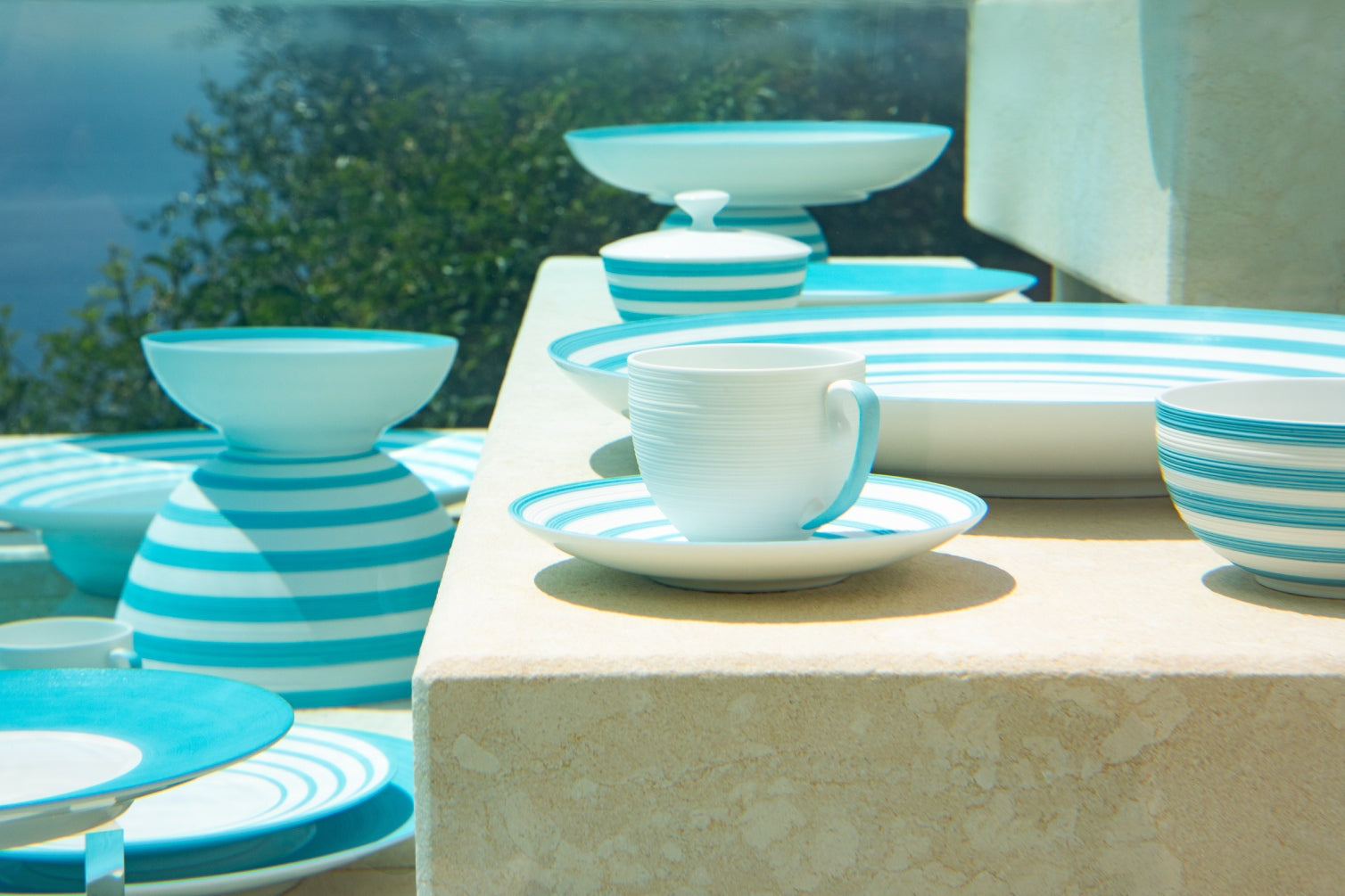
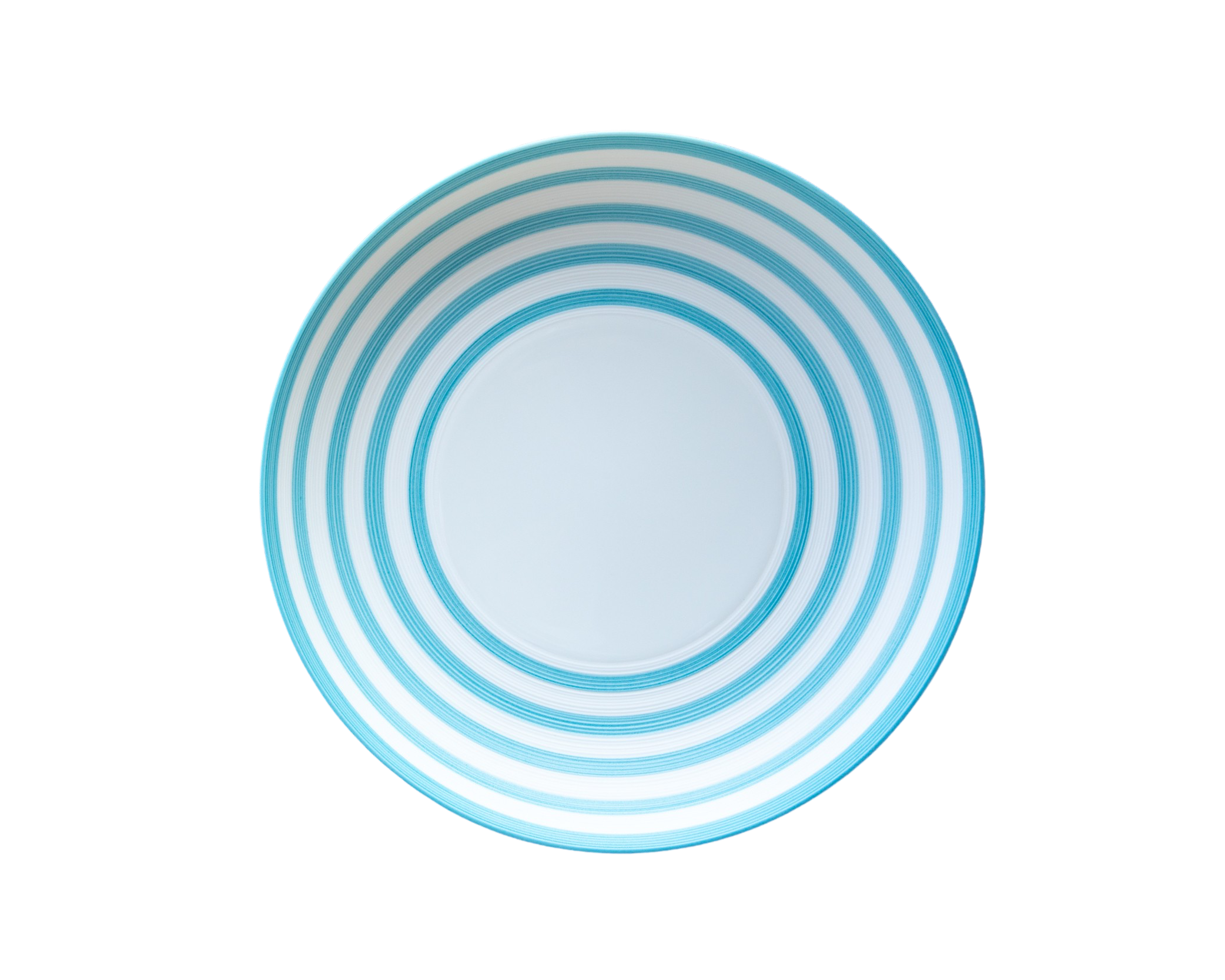
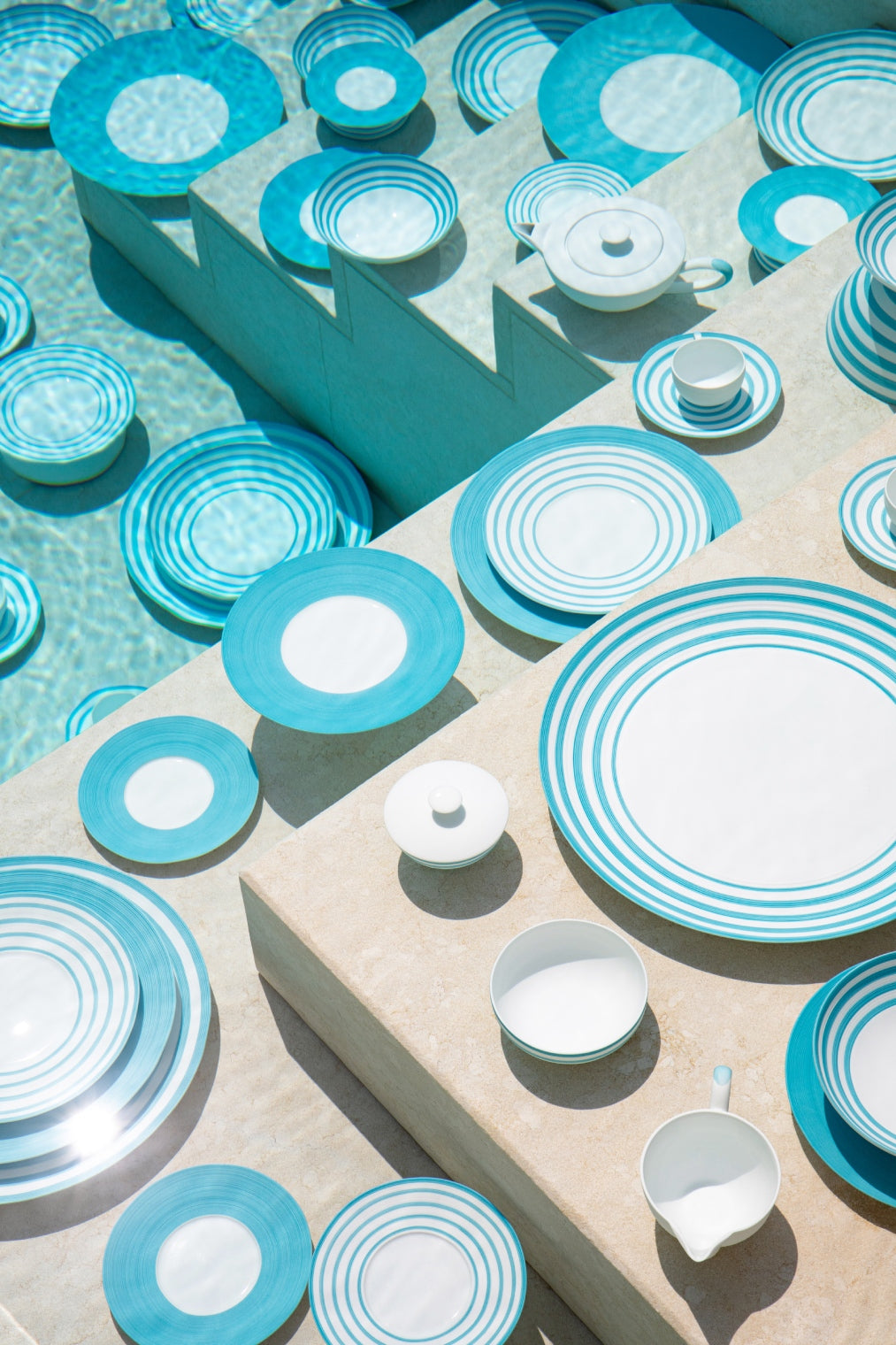
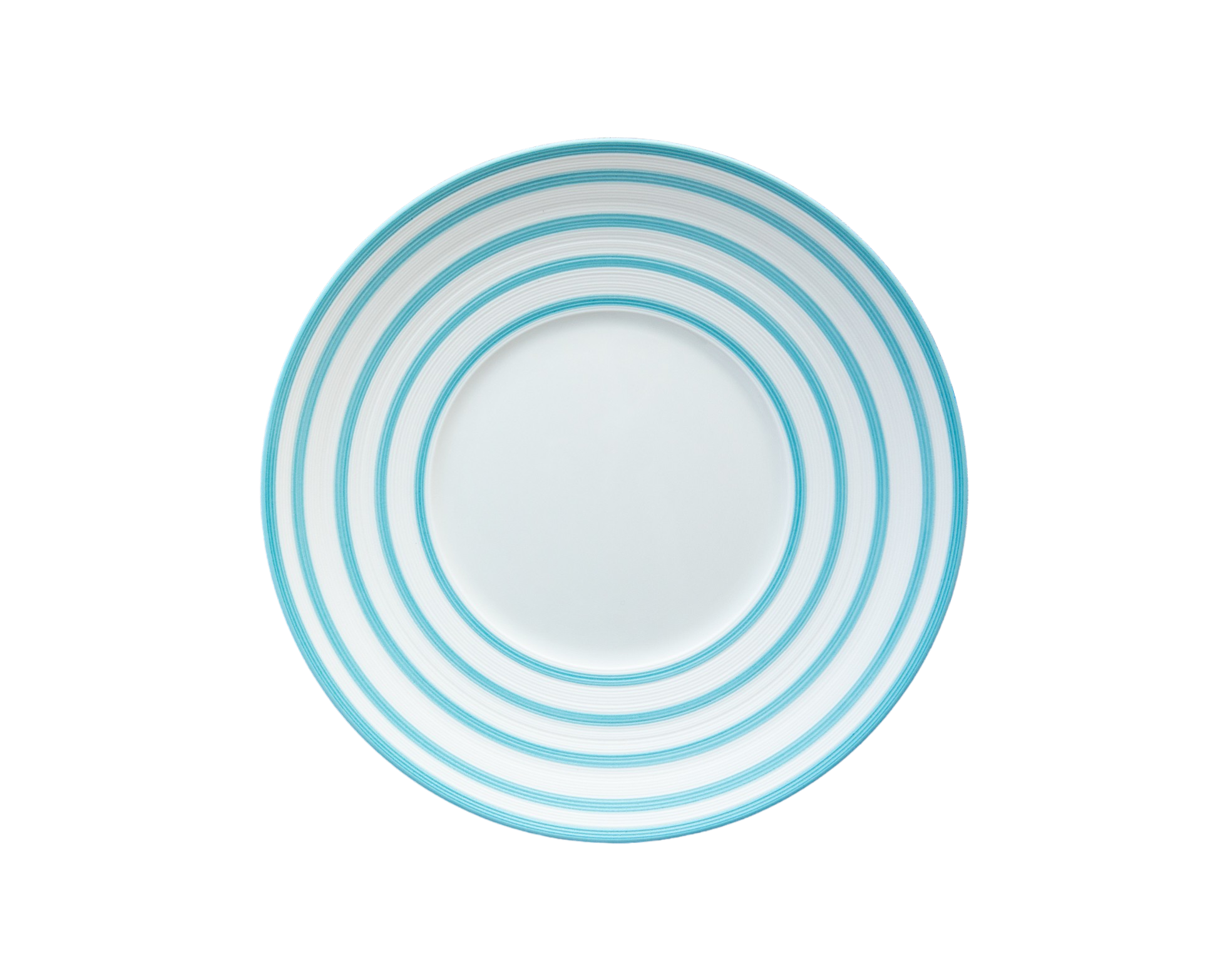
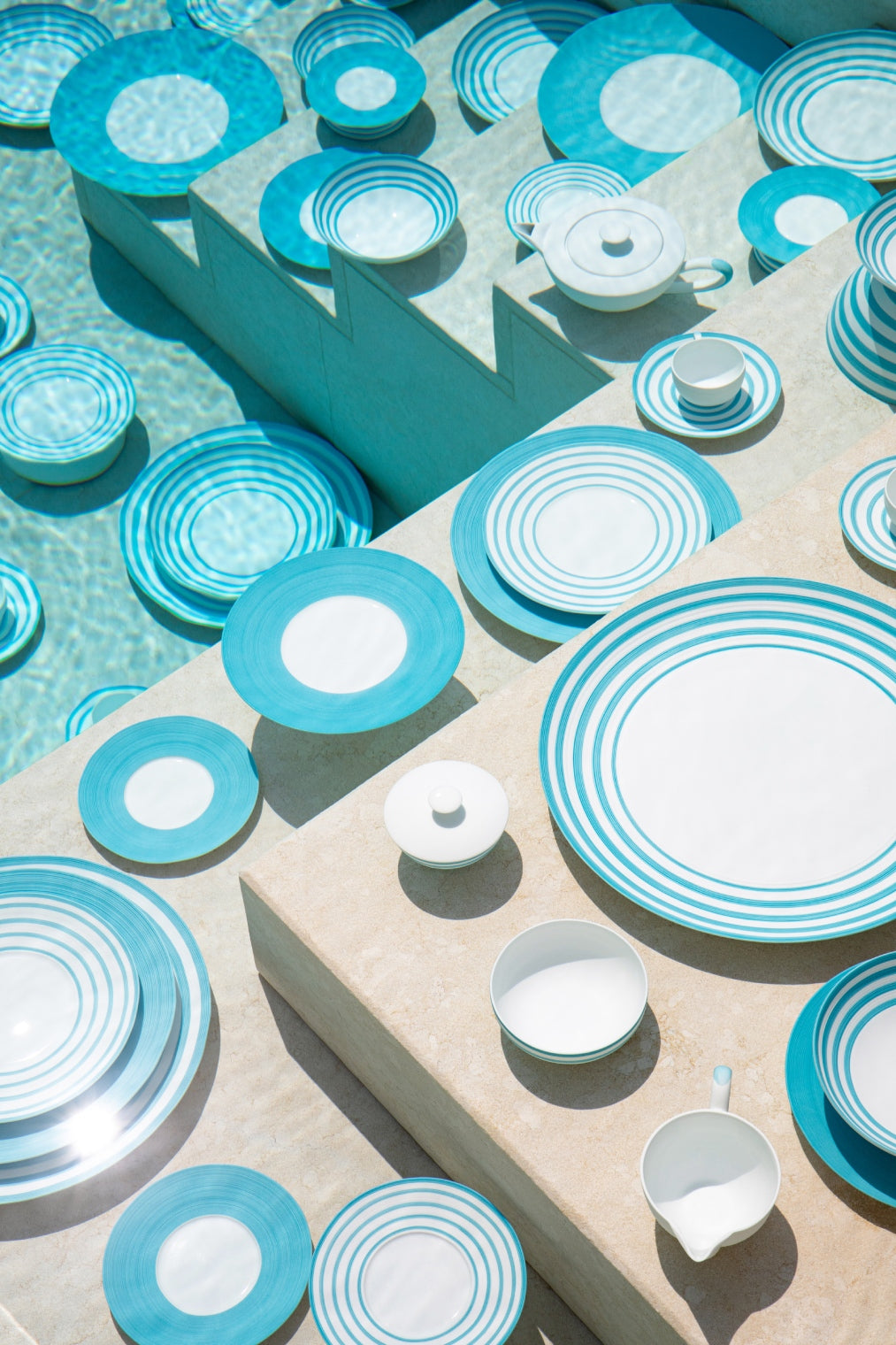
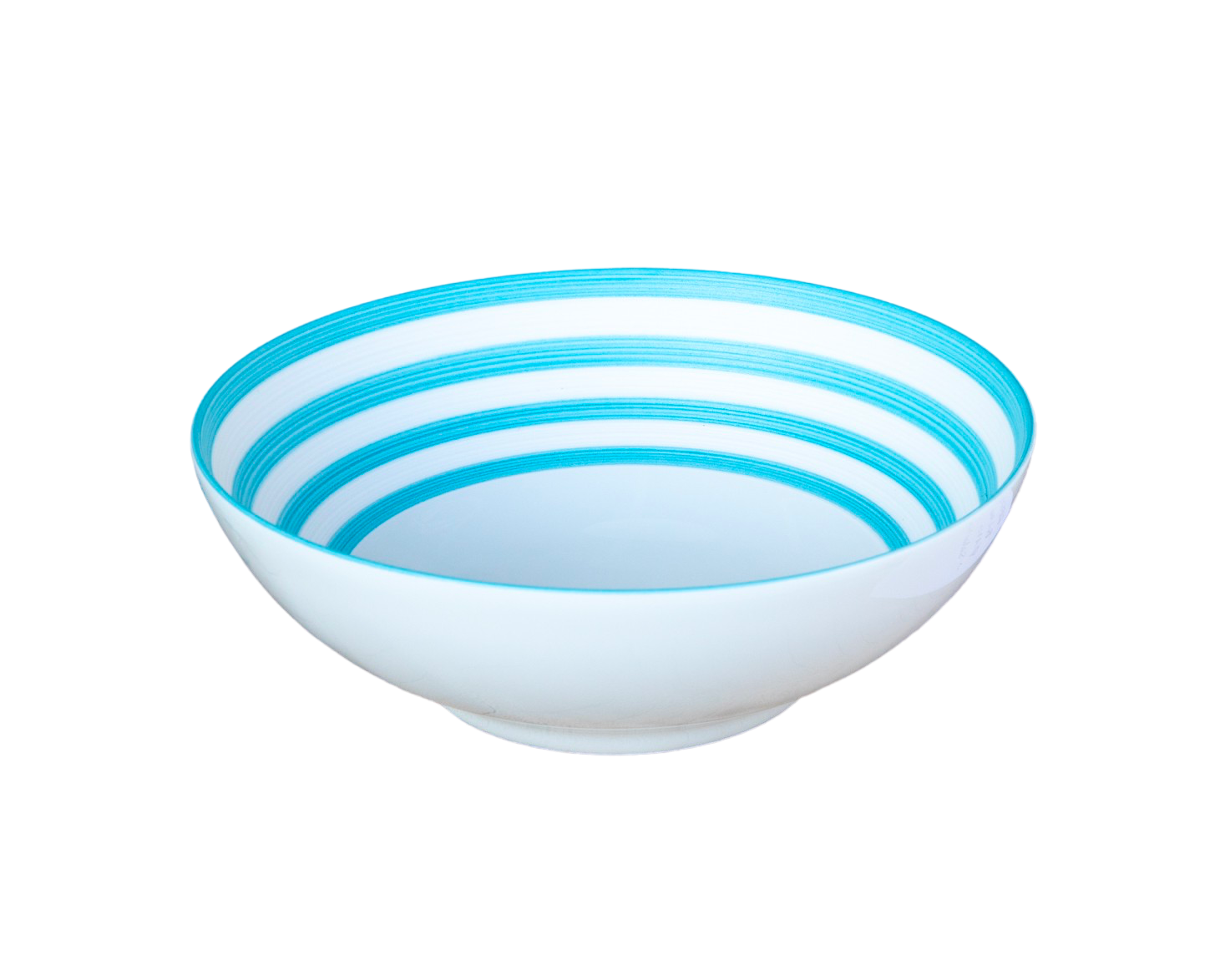
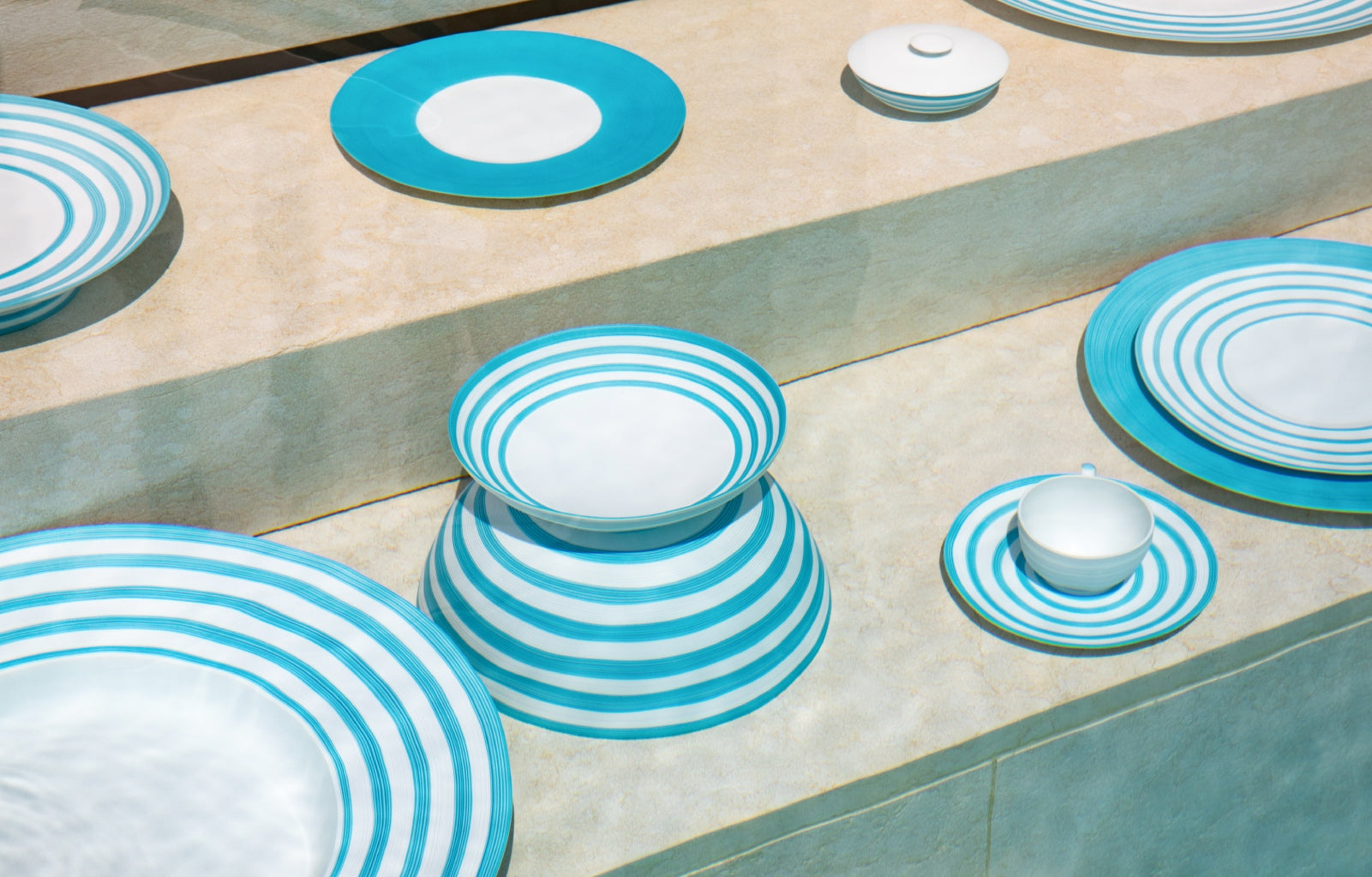
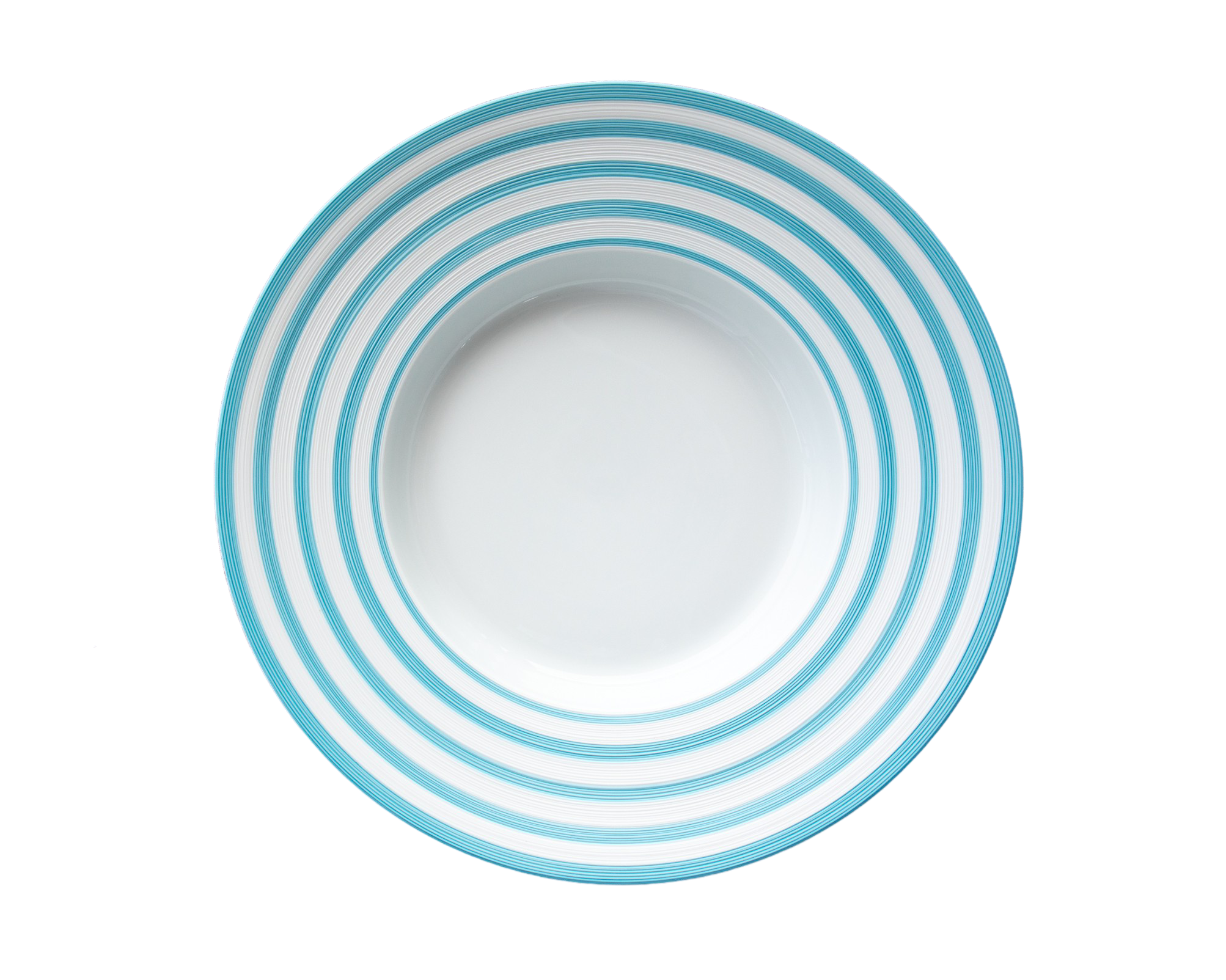
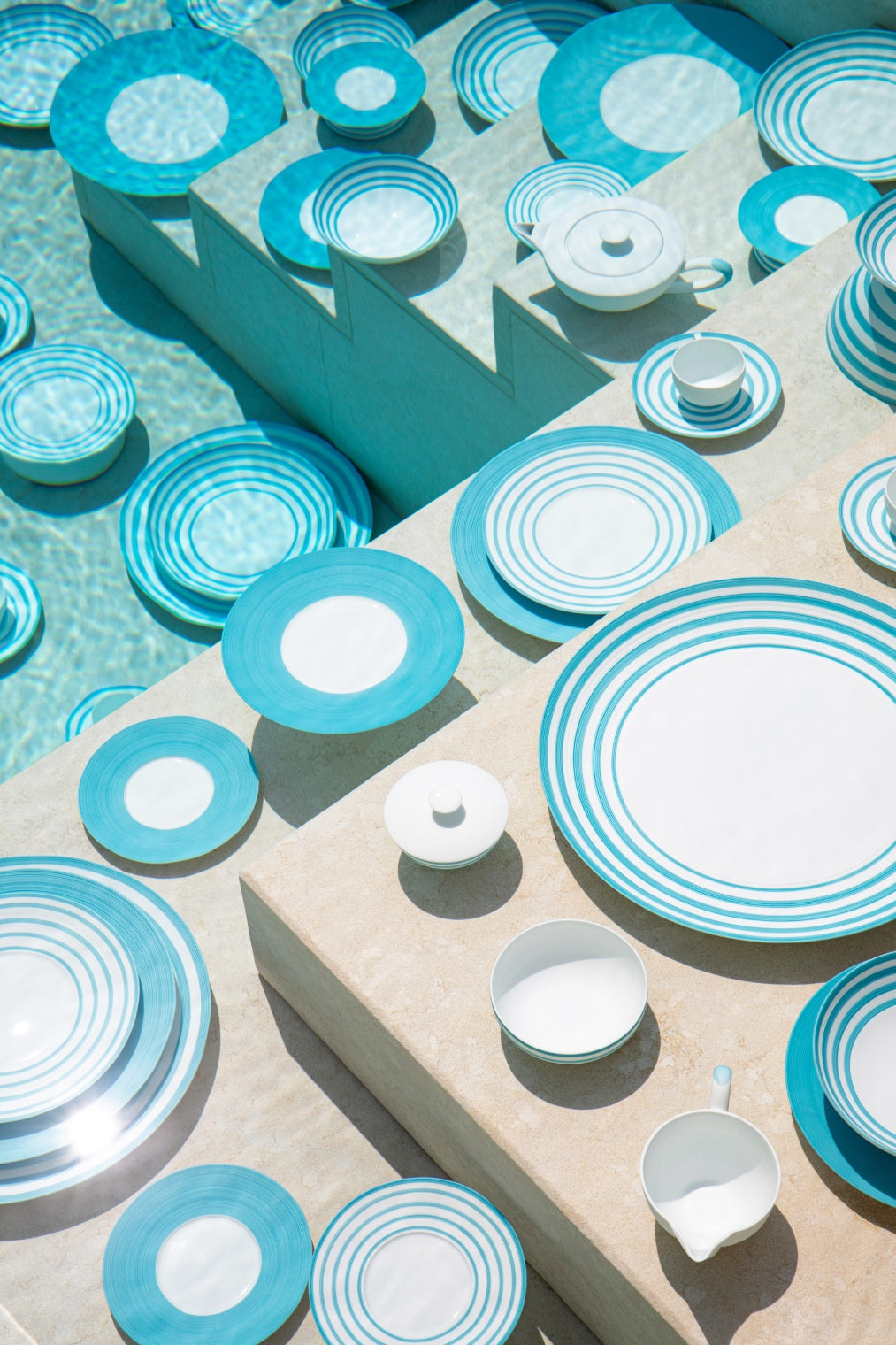
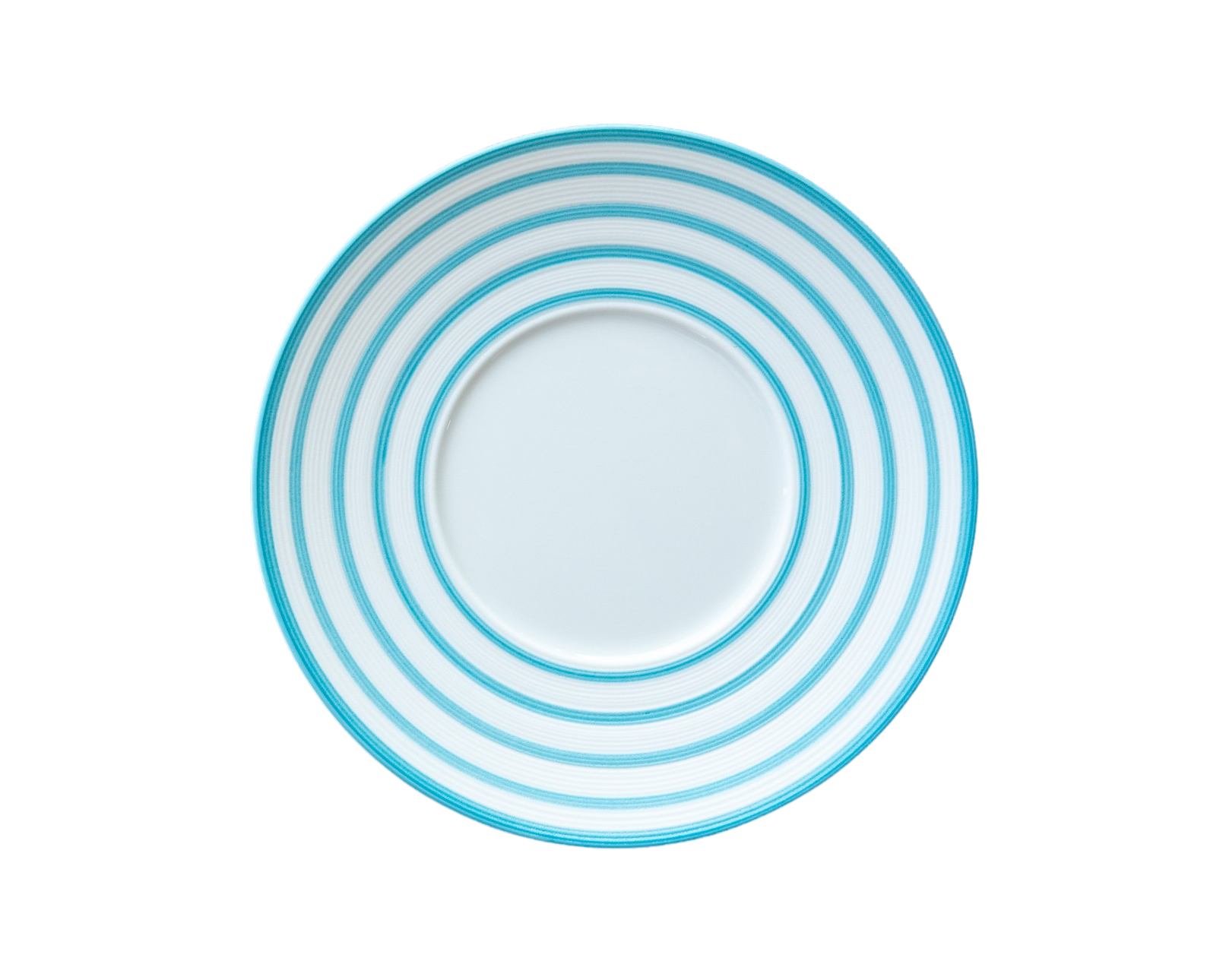
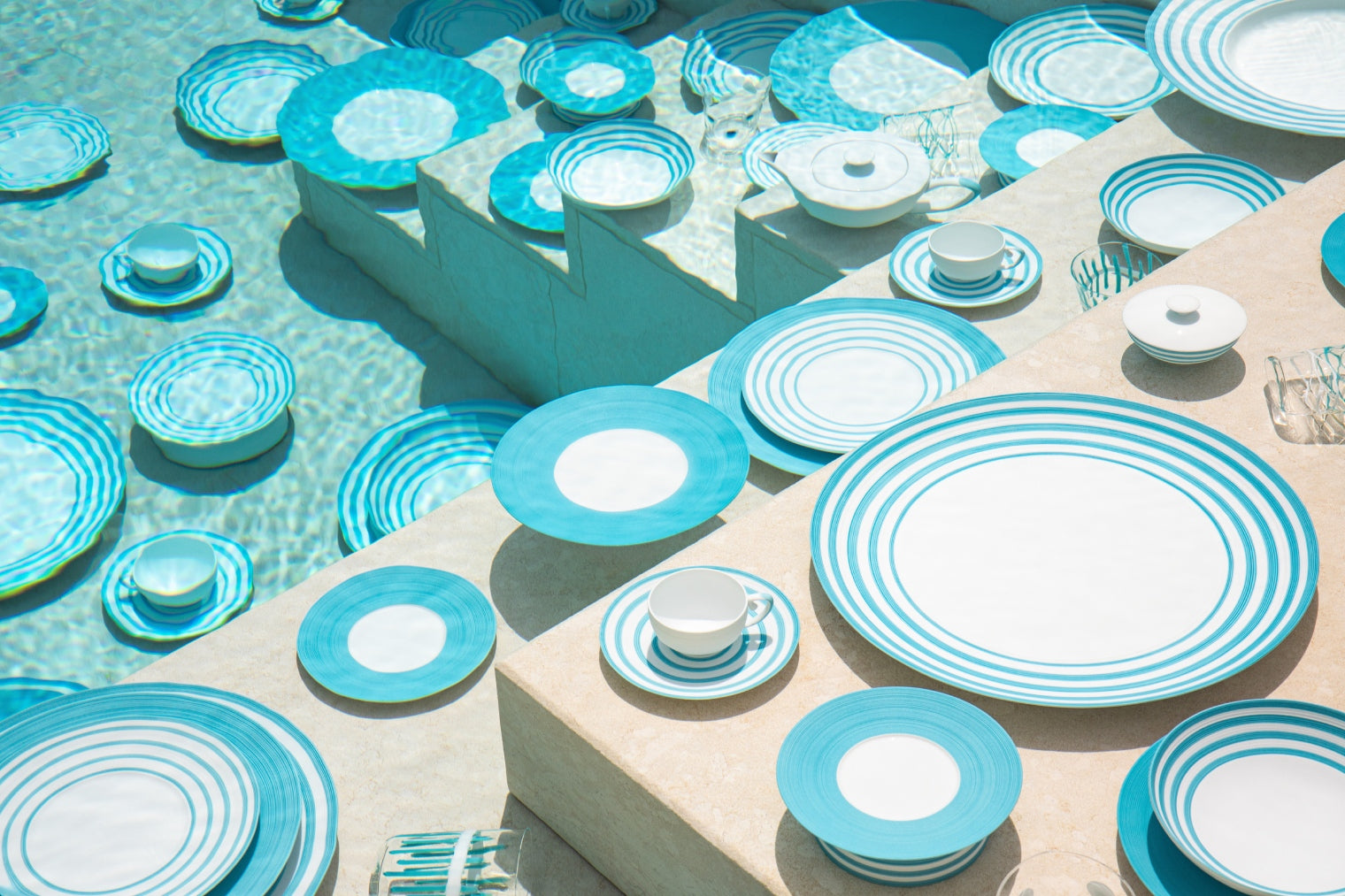
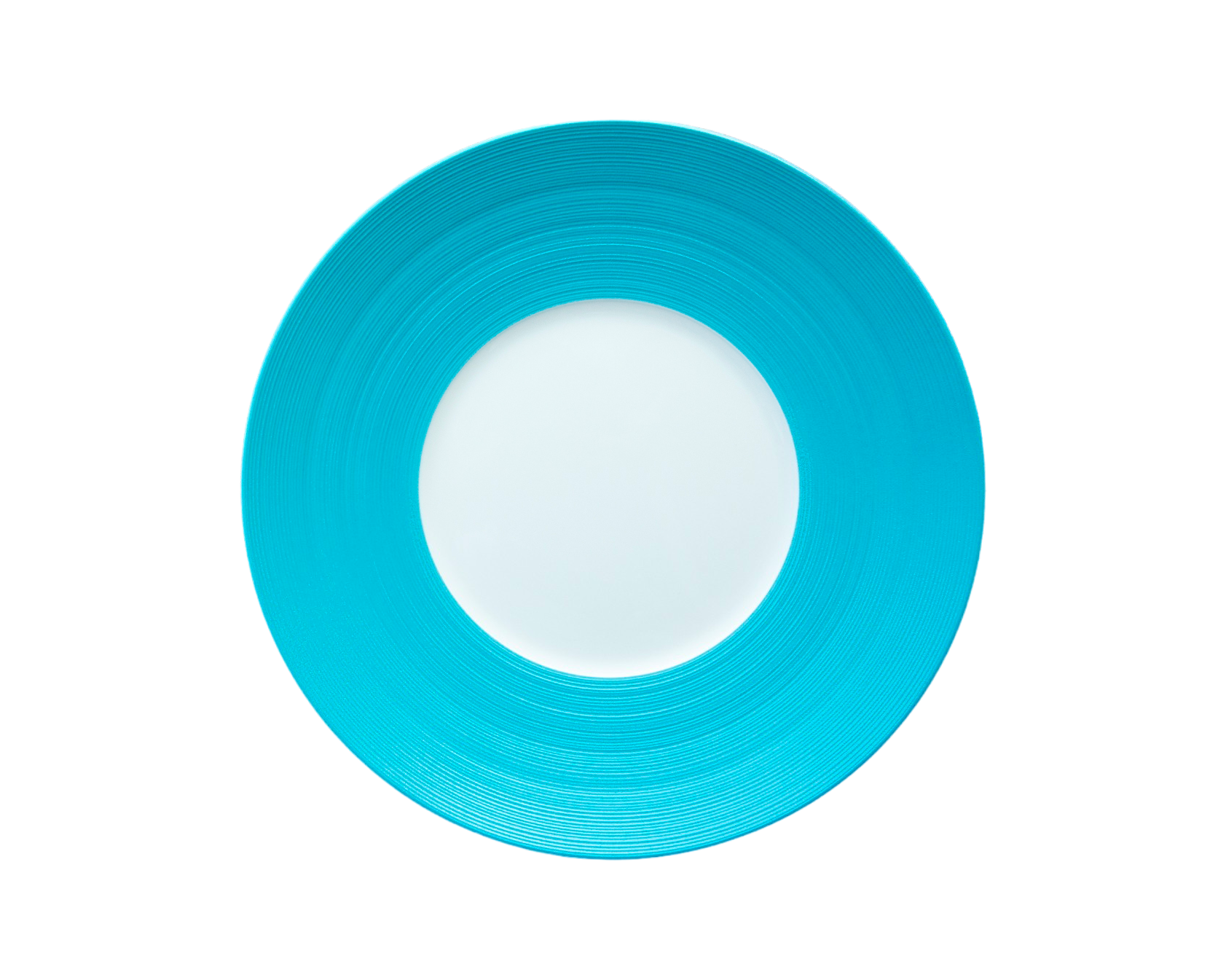
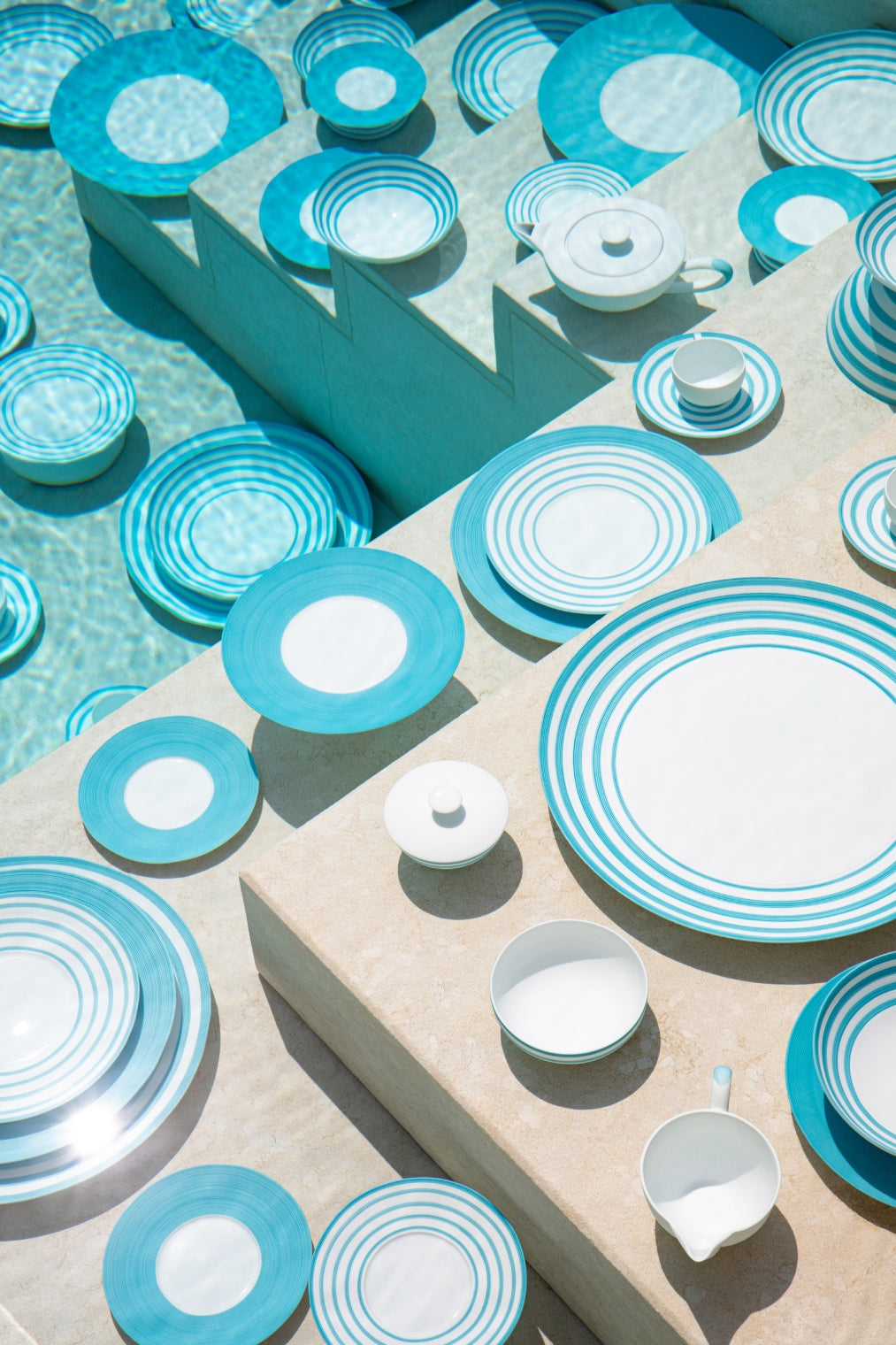
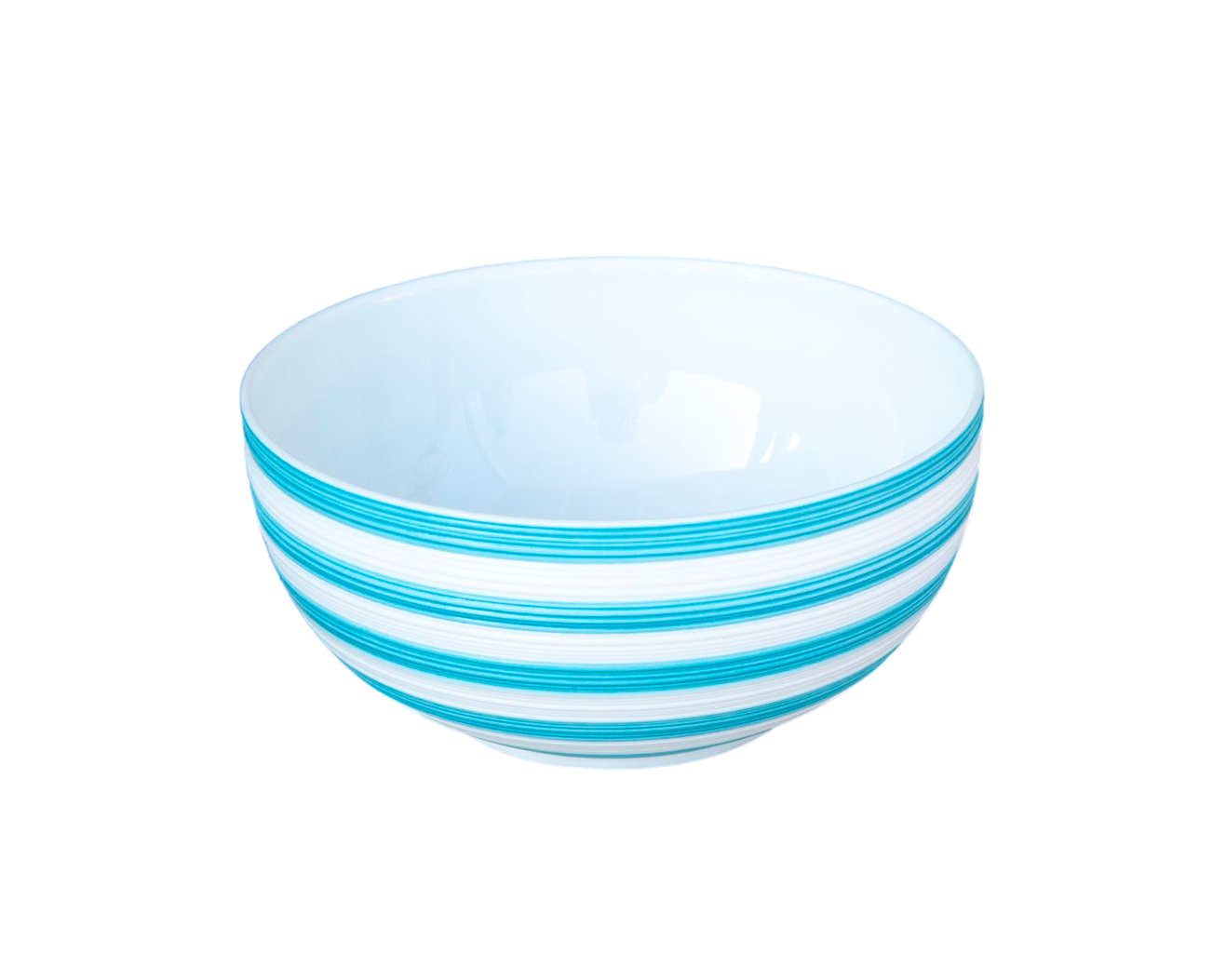
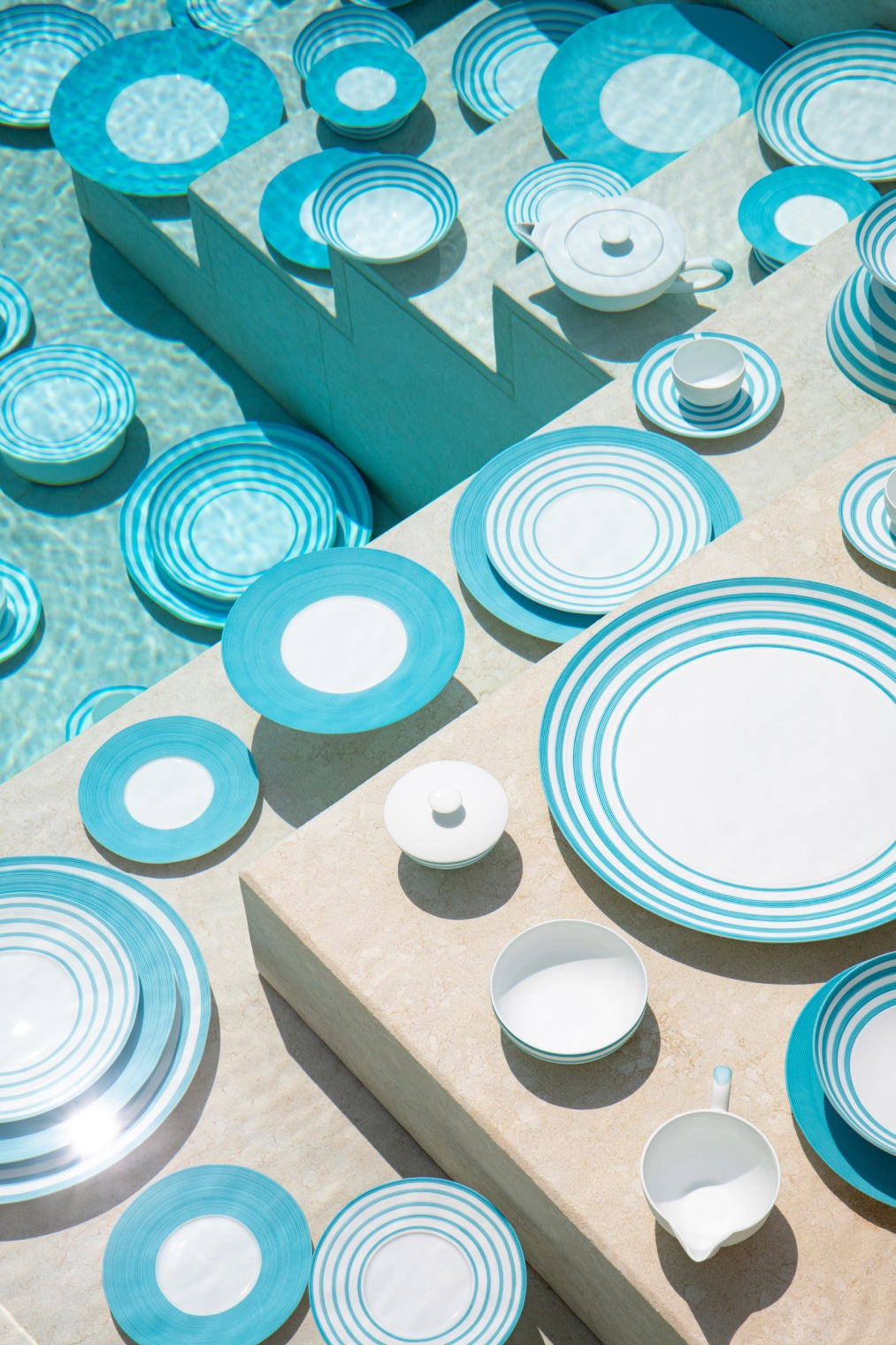
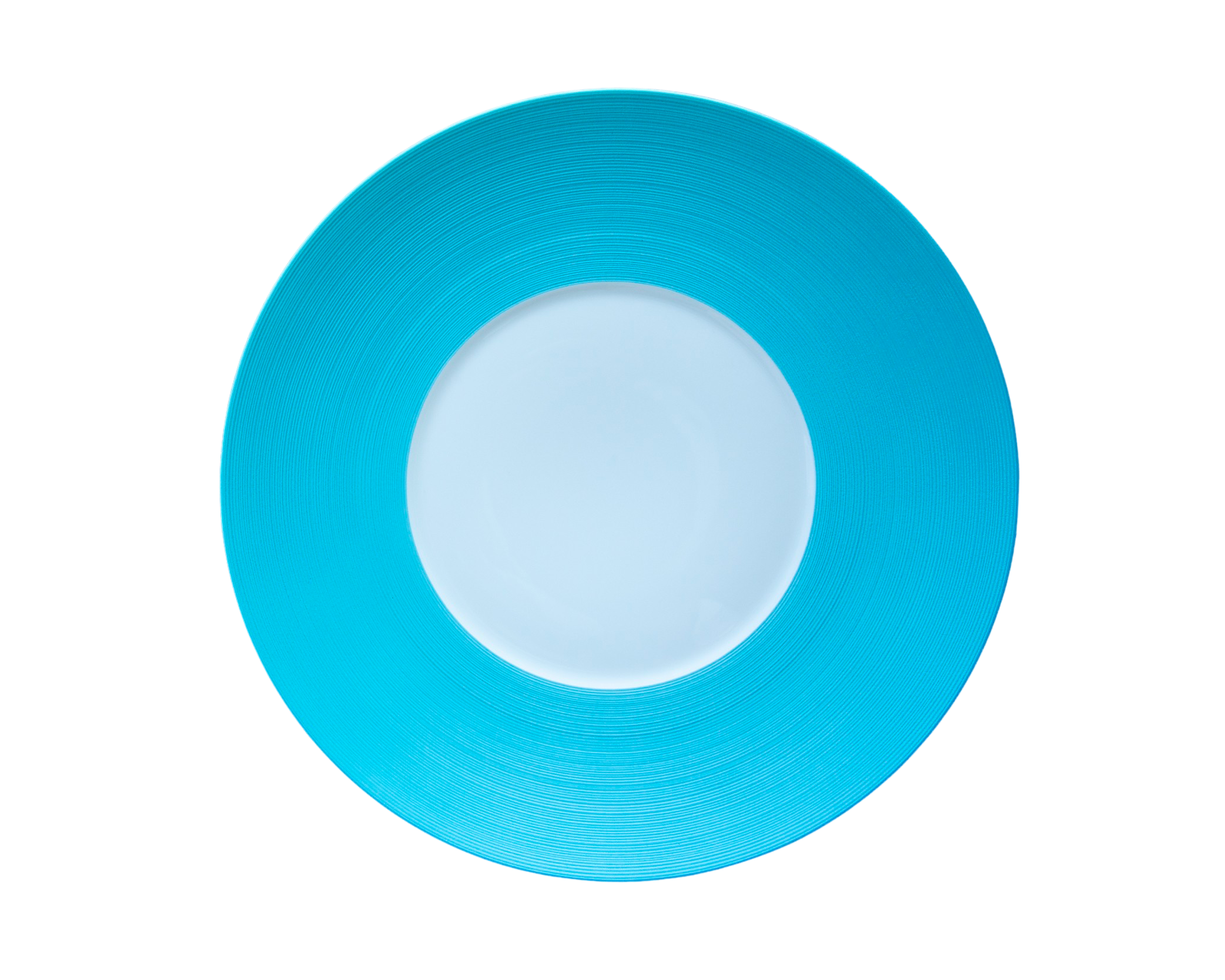
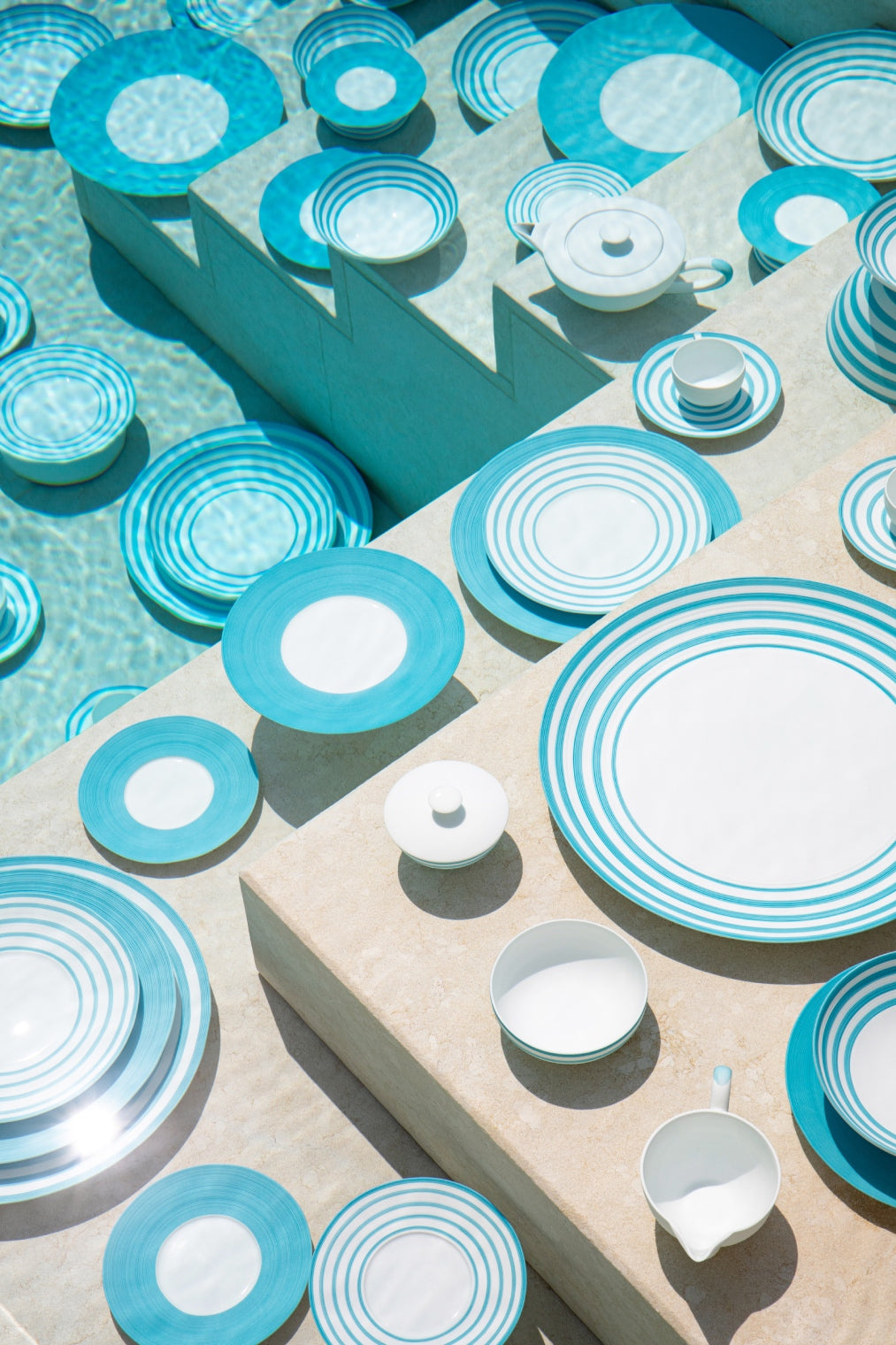
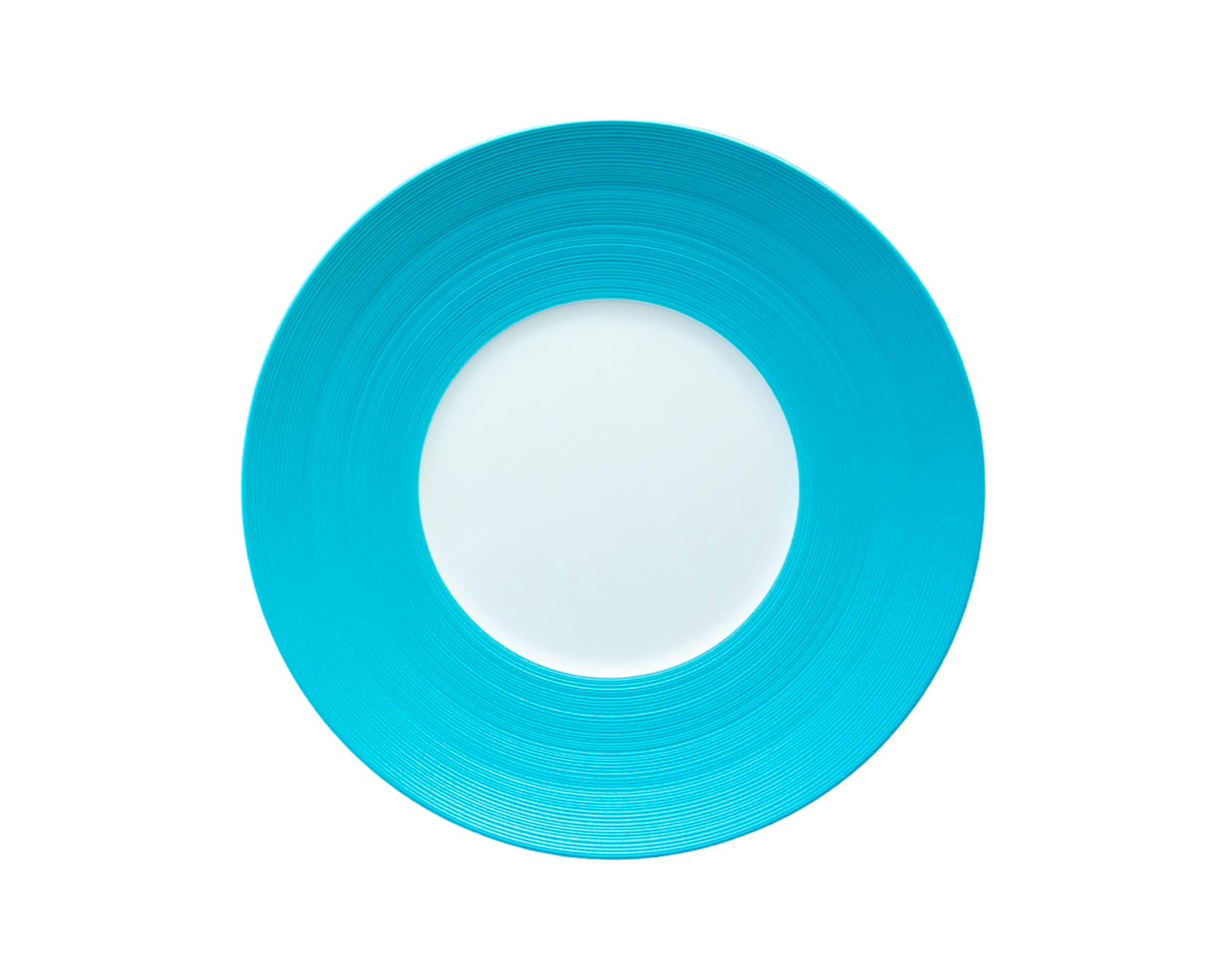
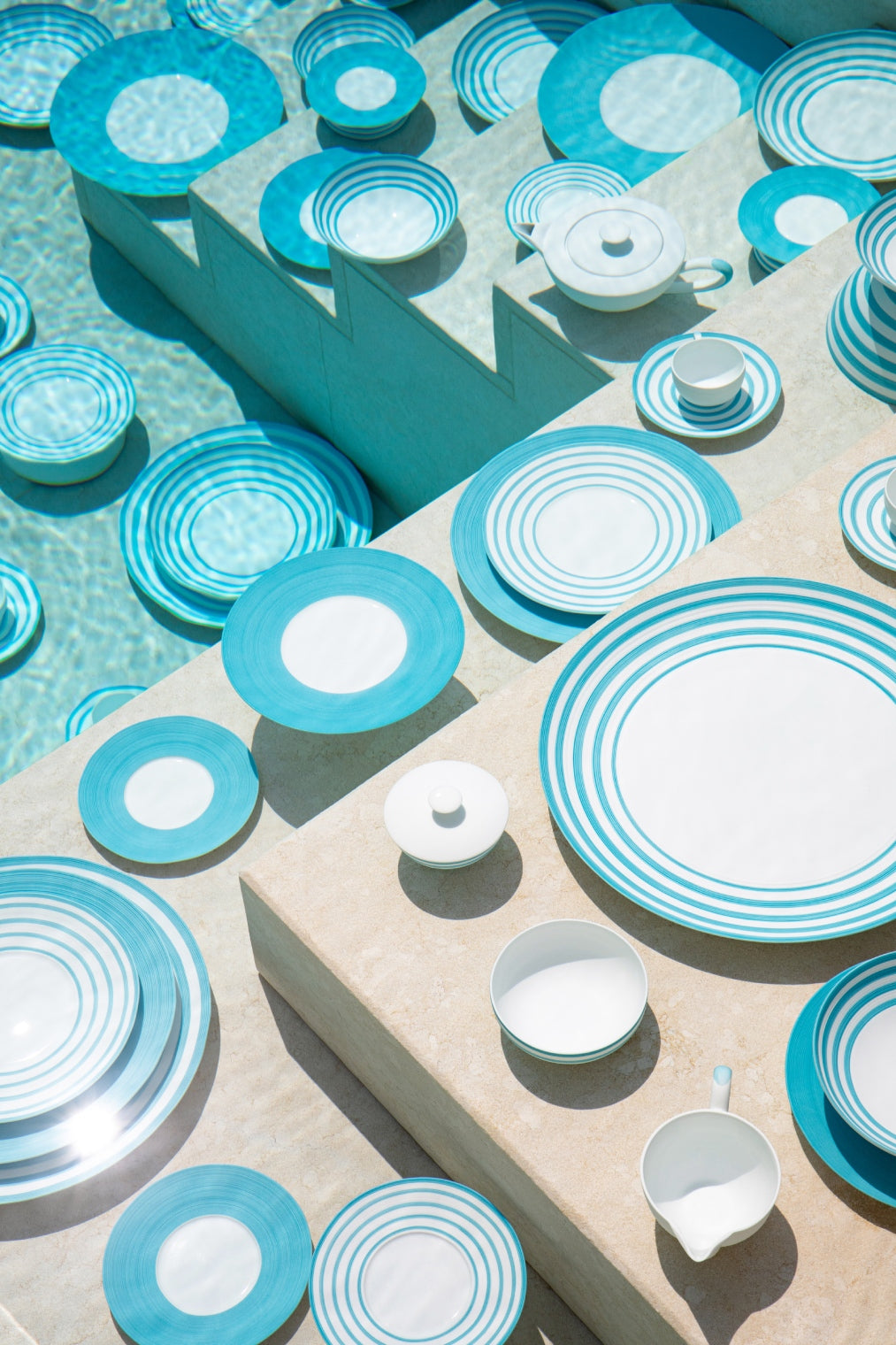
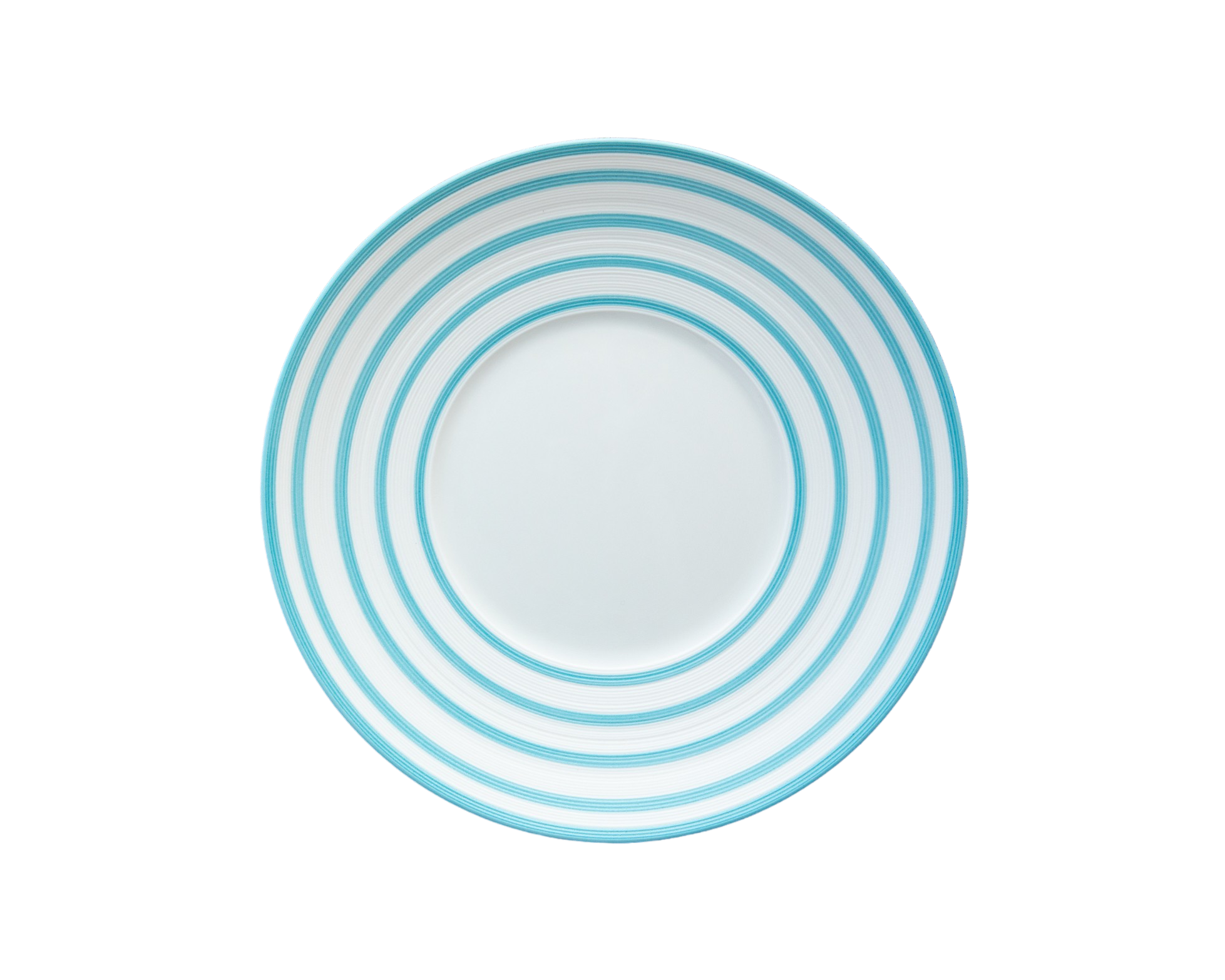
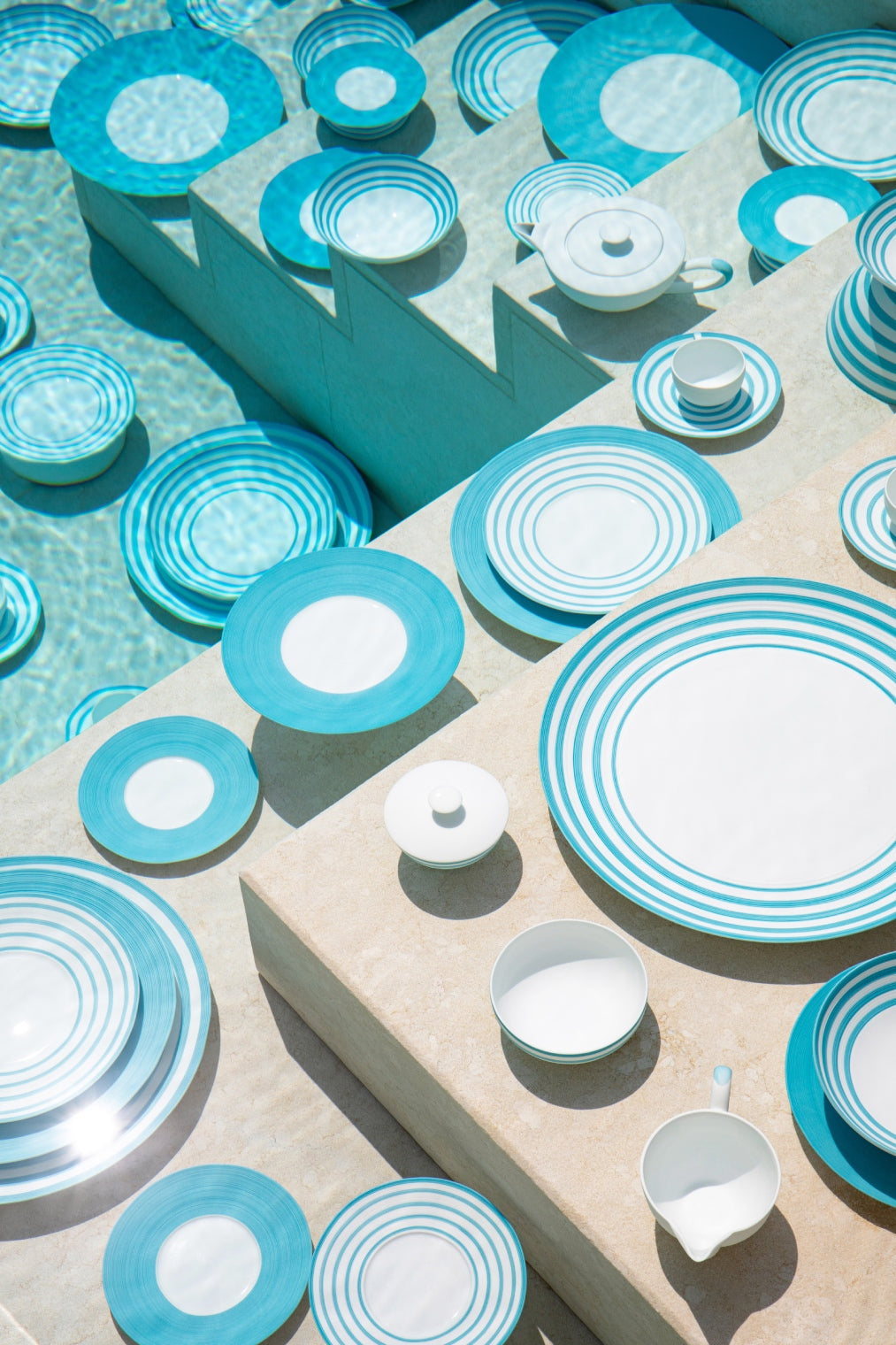
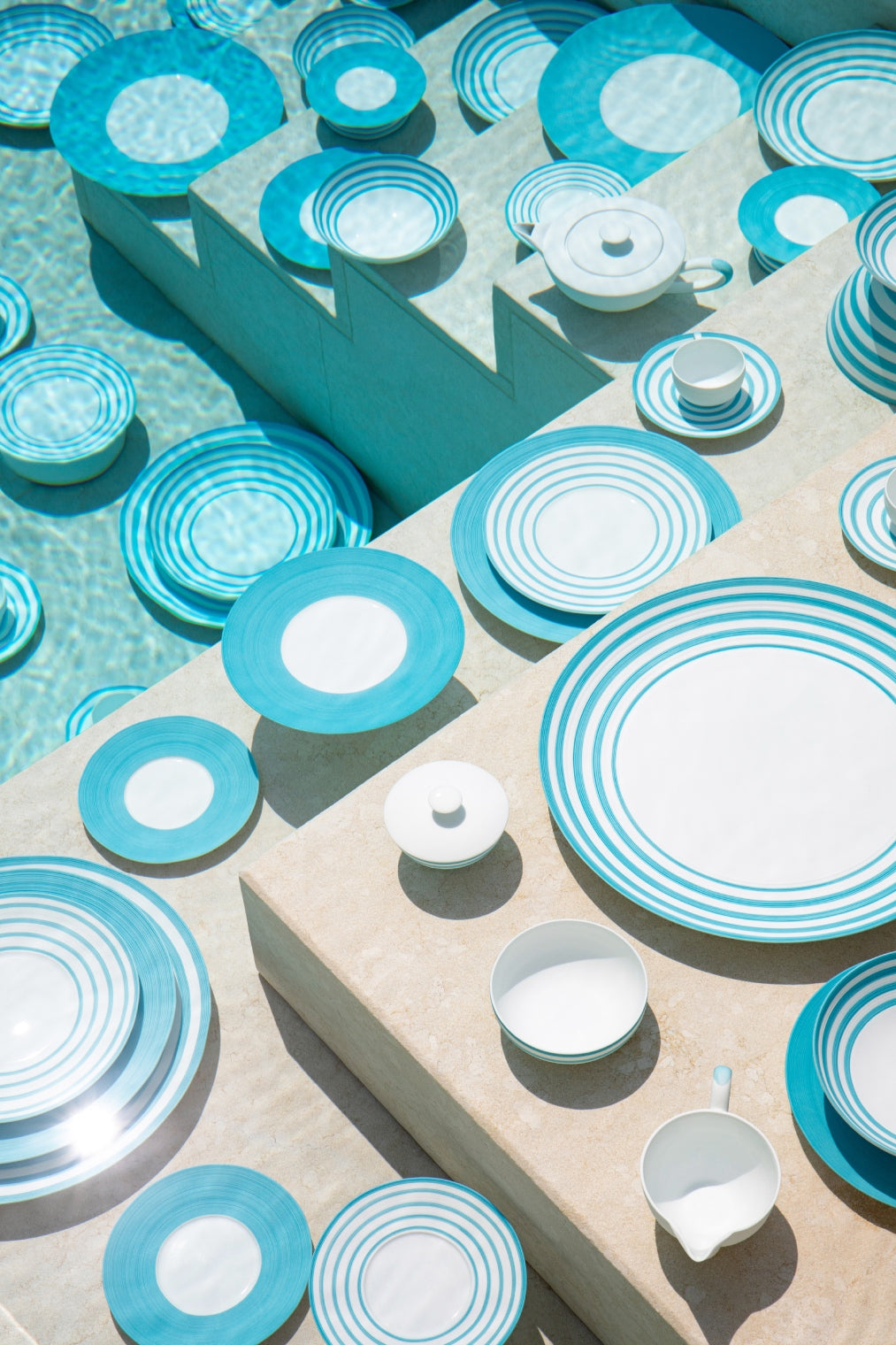
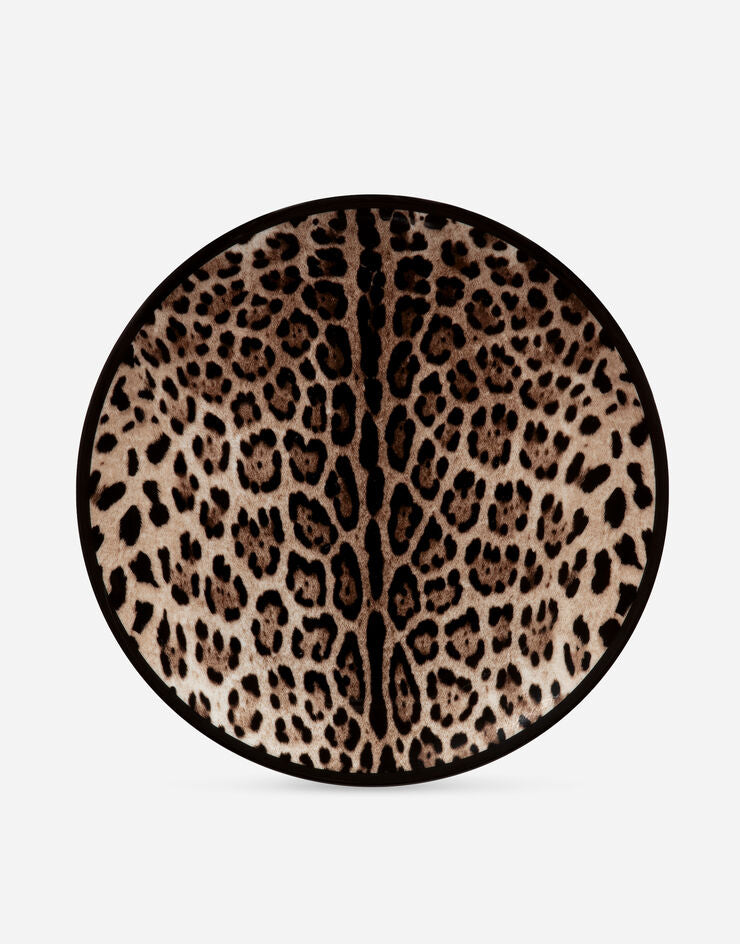
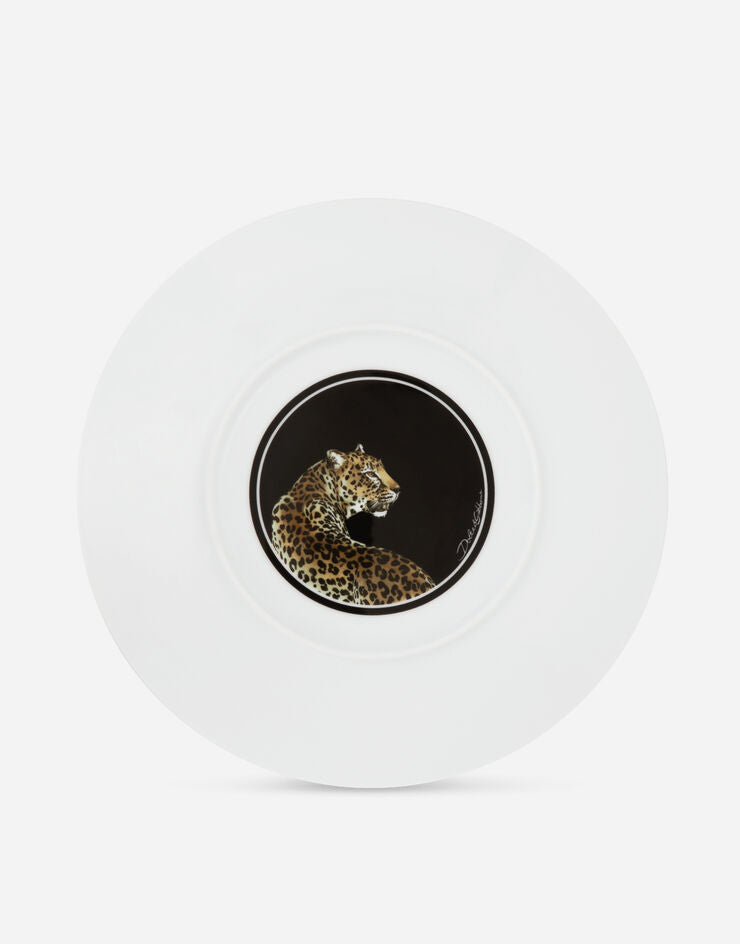
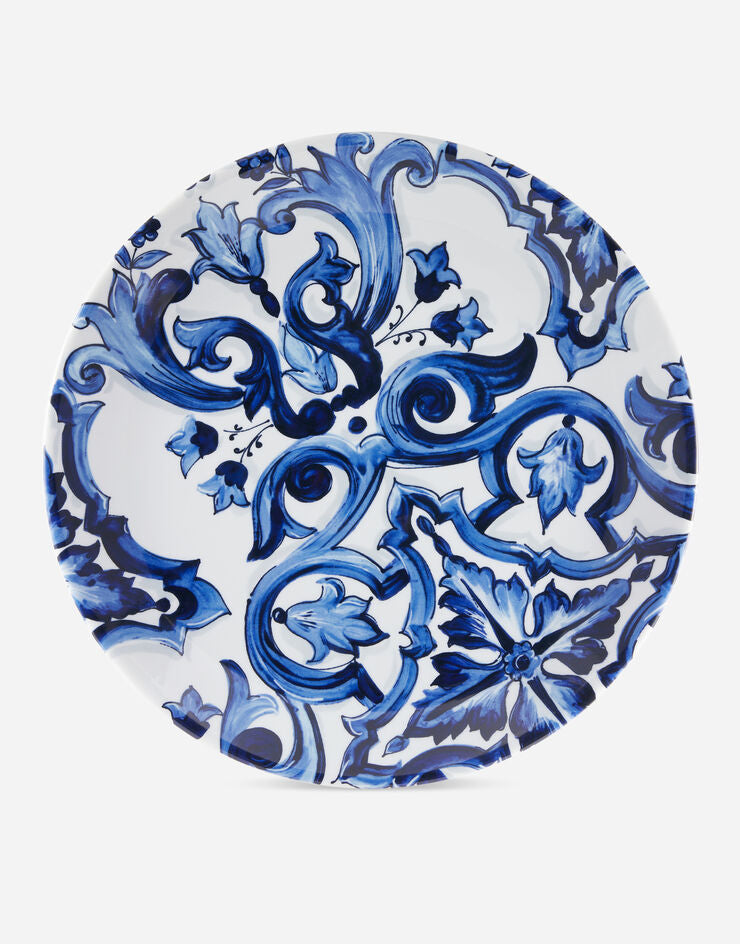
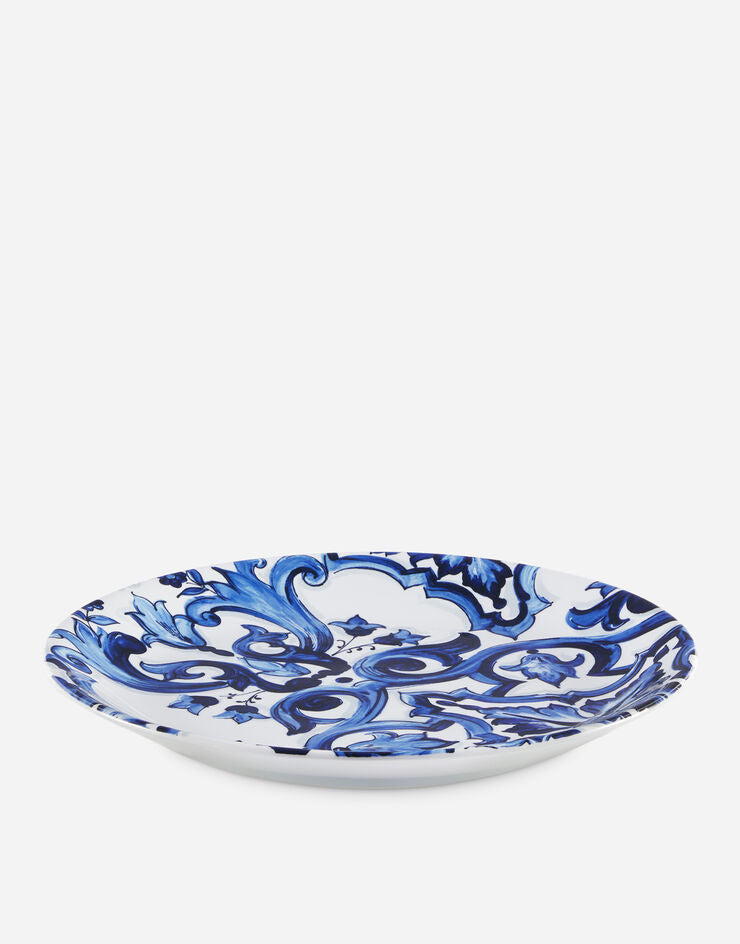
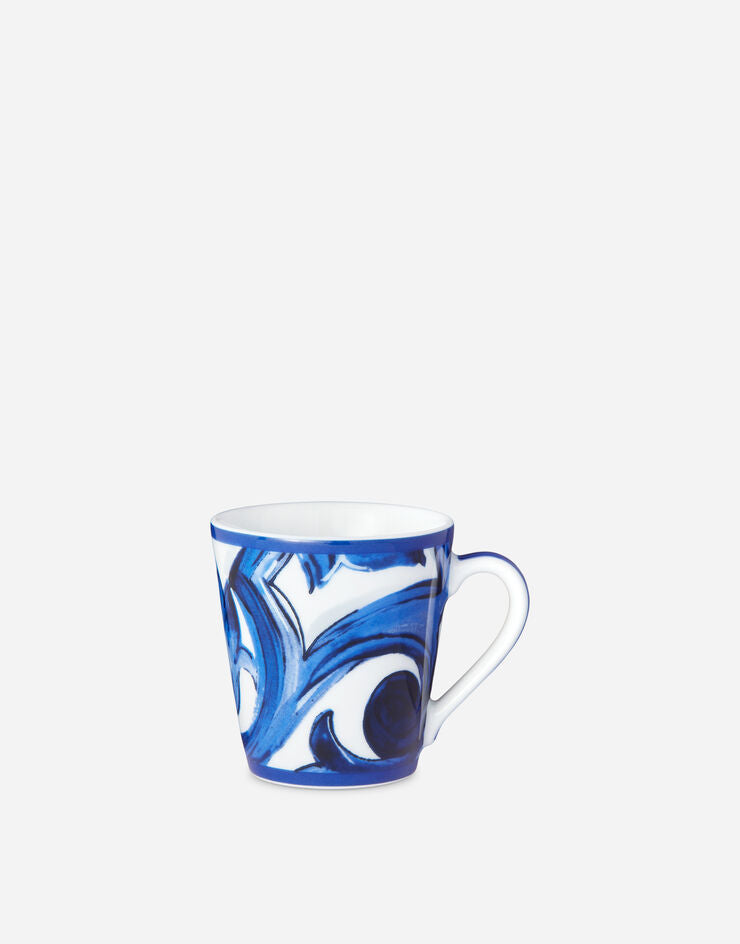
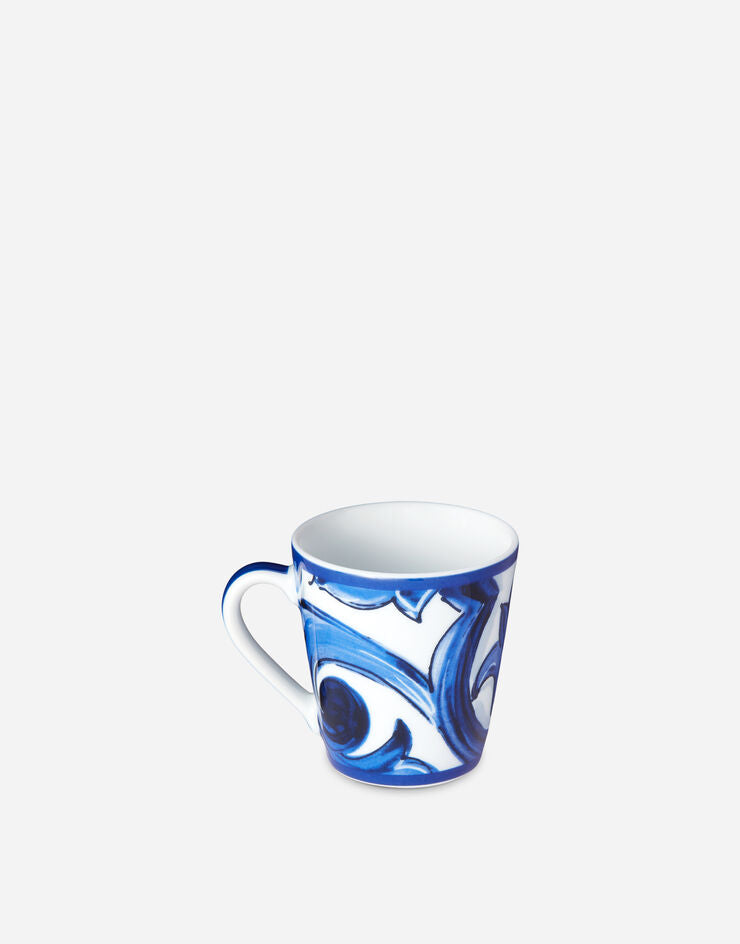
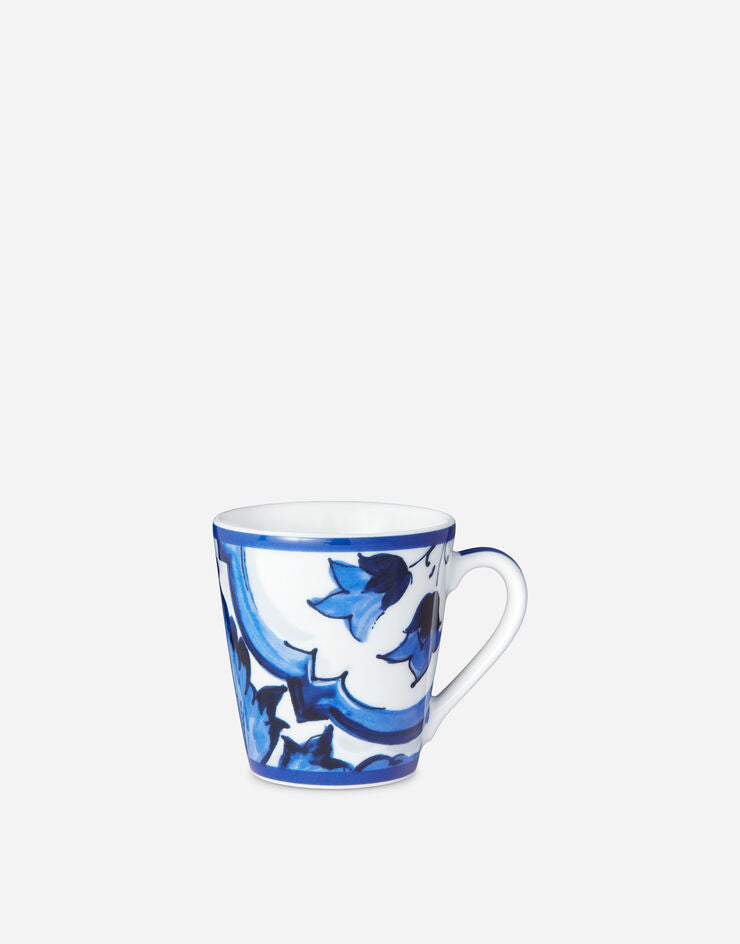
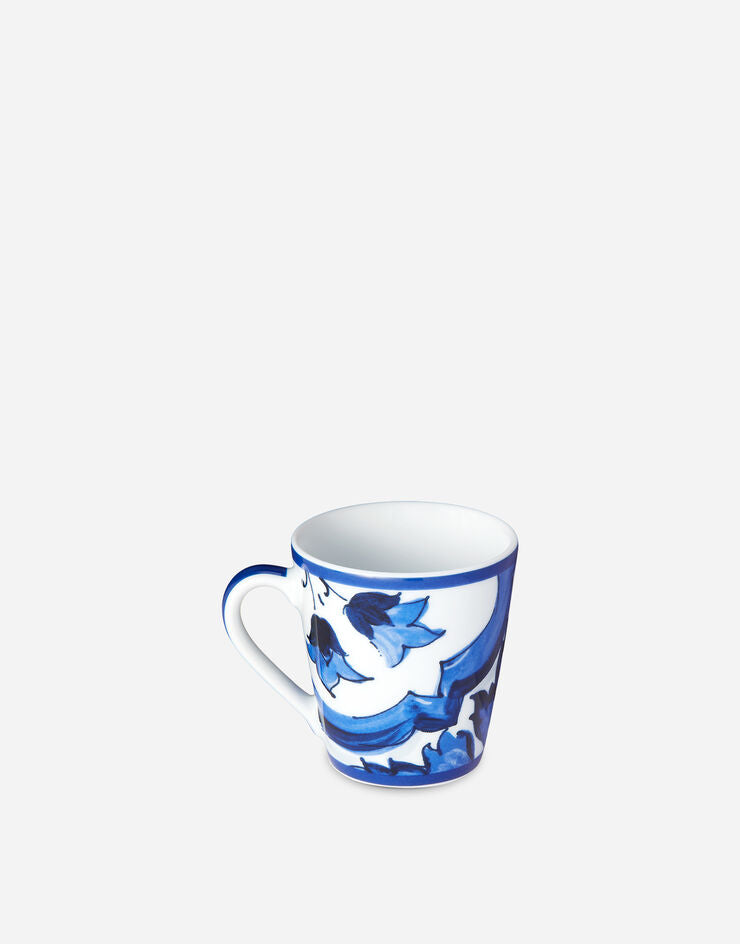
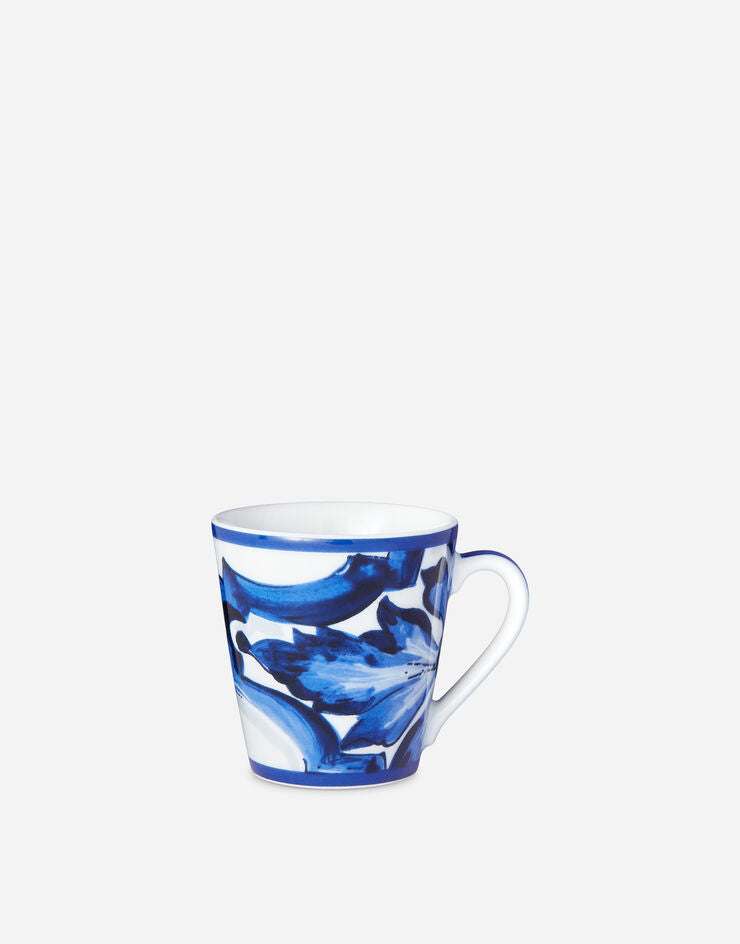
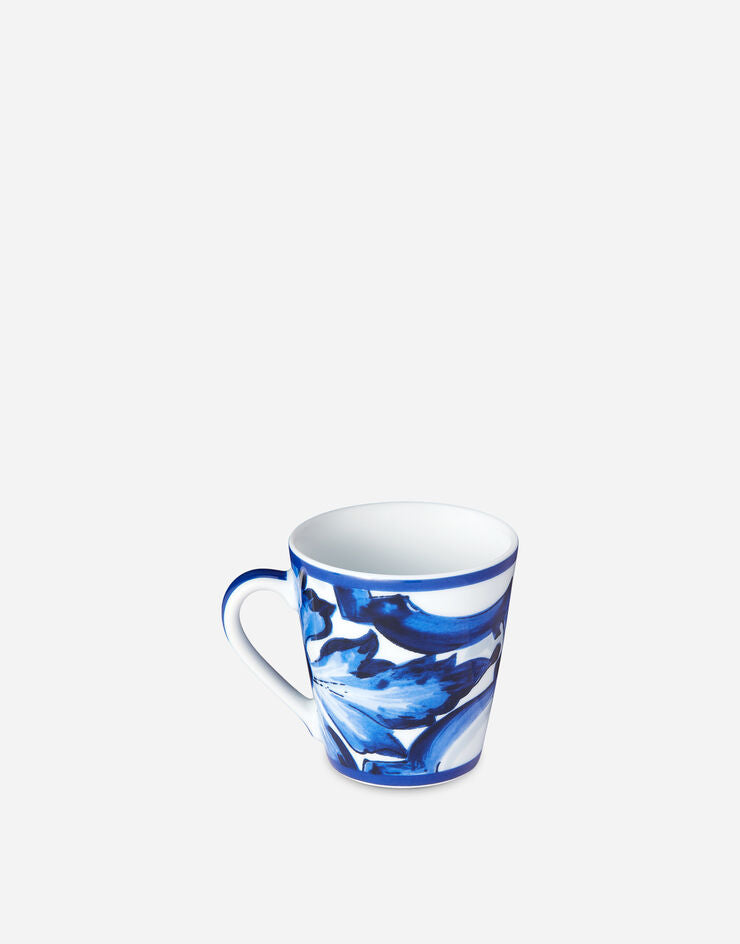
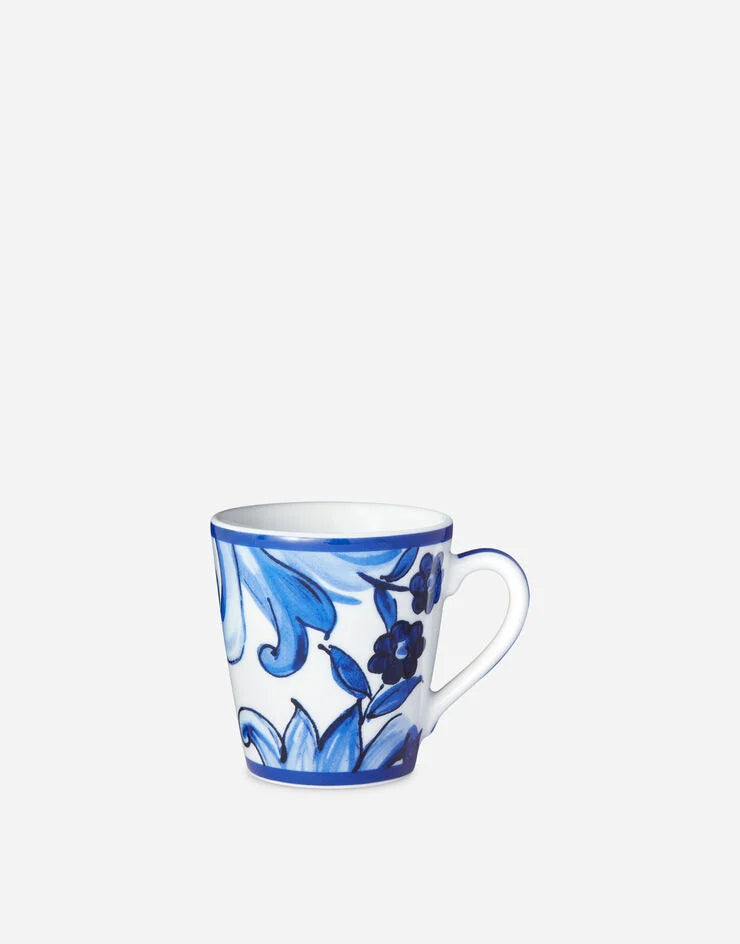
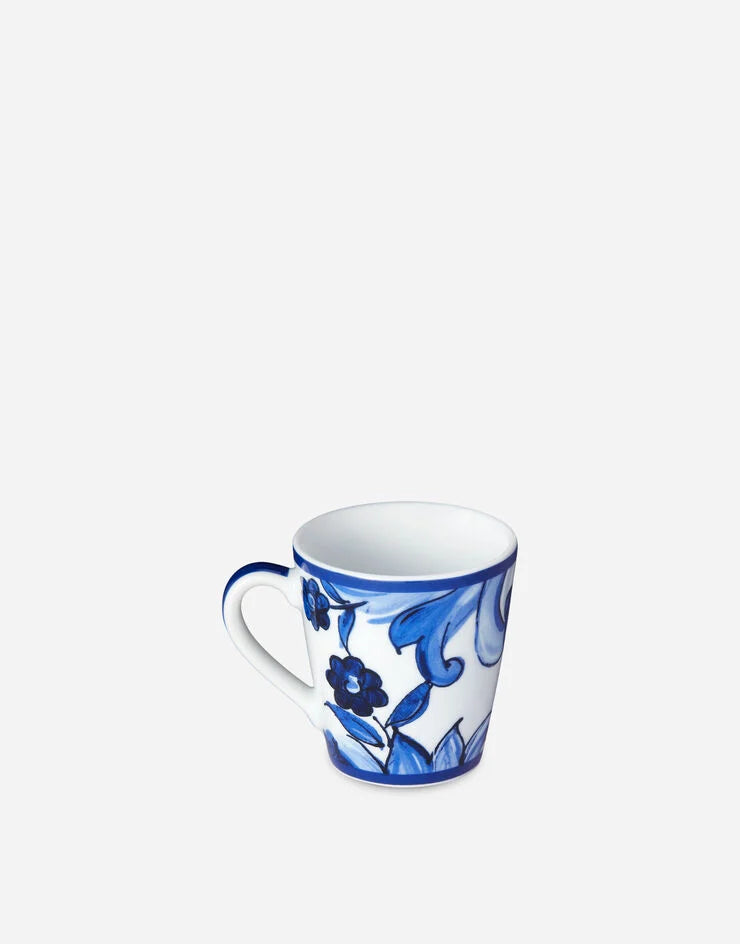
Porcelain, the original chinaware, remains a popular choice for its refined appearance and versatility. Porcelain dinnerware is often white, but it can also be found in a wide array of colors, patterns, and designs. Sabrina Monte-Carlo, for instance, offers a collection of beautifully crafted and stylized porcelain plates in a variety of colors, patterns, and designs, catering to a wide range of tastes. Like bone china, porcelain is lightweight, strong, and durable, making it suitable for both everyday use and special occasions.
When shopping for porcelain tableware, look for pieces that are dishwasher safe and microwaveable, as this will make your life easier and ensure the longevity of your dinnerware. Pay close attention to the quality of the glaze and the overall craftsmanship, as these factors will impact the appearance and durability of your porcelain pieces. Brands like Bernardaud and Raynaud are known for their exceptional quality and craftsmanship in porcelain dinnerware.